Futureproof Festival / 2026
Daniel Shavit: show me the decision behind this street
The conversations worth coming back to.
Source and citation
This is an authored, illustrated recap. The session date records when the talk took place. An edited transcript and festival recording have not been released on this page.
Kris Krüg. “Daniel Shavit: show me the decision behind this street” Futureproof Festival 2026 proceedings, Volume 01. Session: 2026-10-28. Edition updated 2026-11-06. https://www.futureproof.website/2026/proceedings/sessions/daniel-shavit/
You can also select and copy the citation above.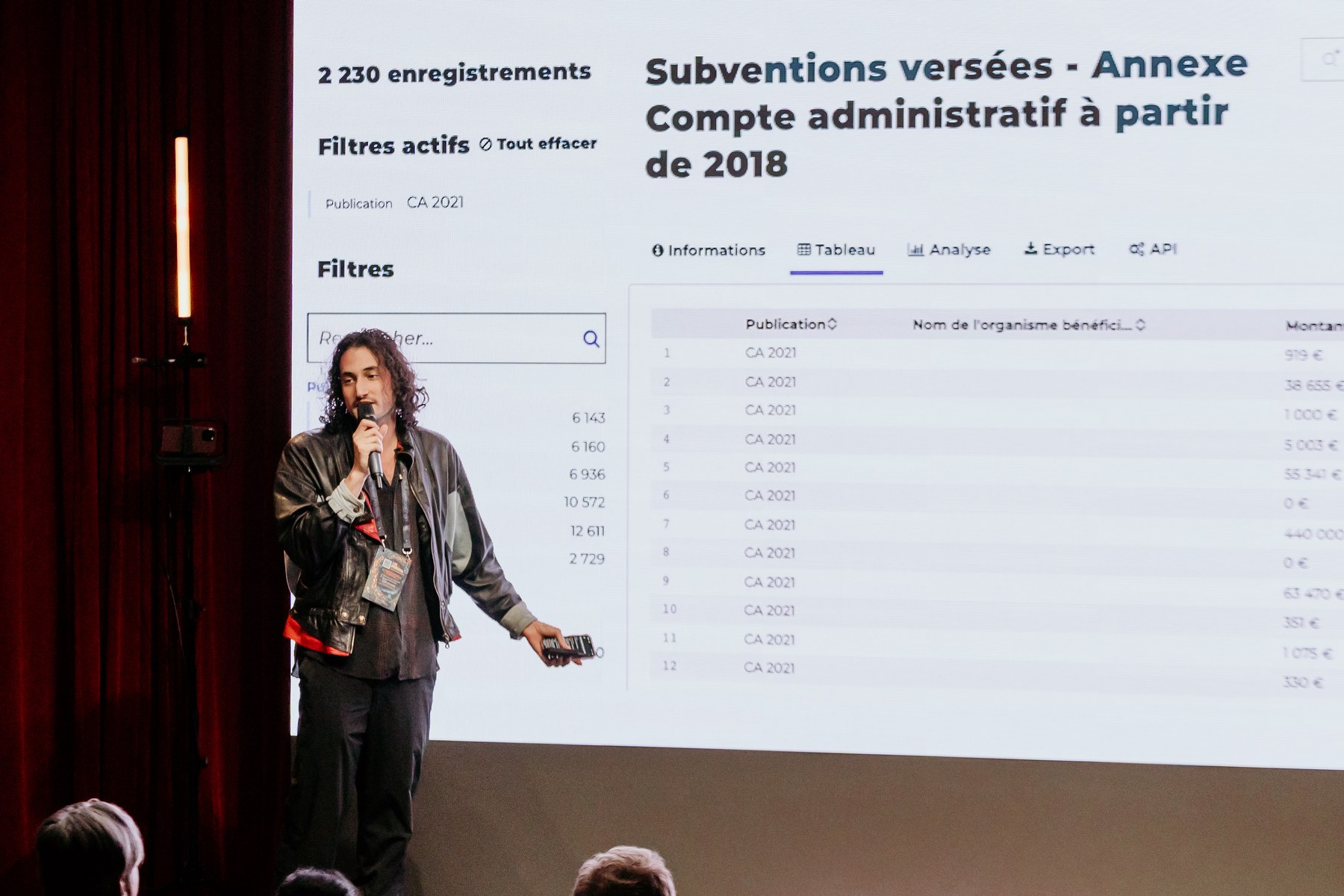
The Paris open-data example in Daniel Shavit's opening-night presentation. Futureproof Festival of AI, October 28, 2026.
The money was in the spreadsheet. Some of the names weren't.
Daniel Shavit began his Futureproof presentation with a familiar kind of civic frustration. A political argument over dinner in Paris led him to look for the public data that might settle it. He found records that raised more questions: payments without useful context, separate datasets that didn't connect and information he had to chase through other documents.
Putting a CSV online can satisfy the act of publishing while leaving a citizen with a second research project just to understand the first one.
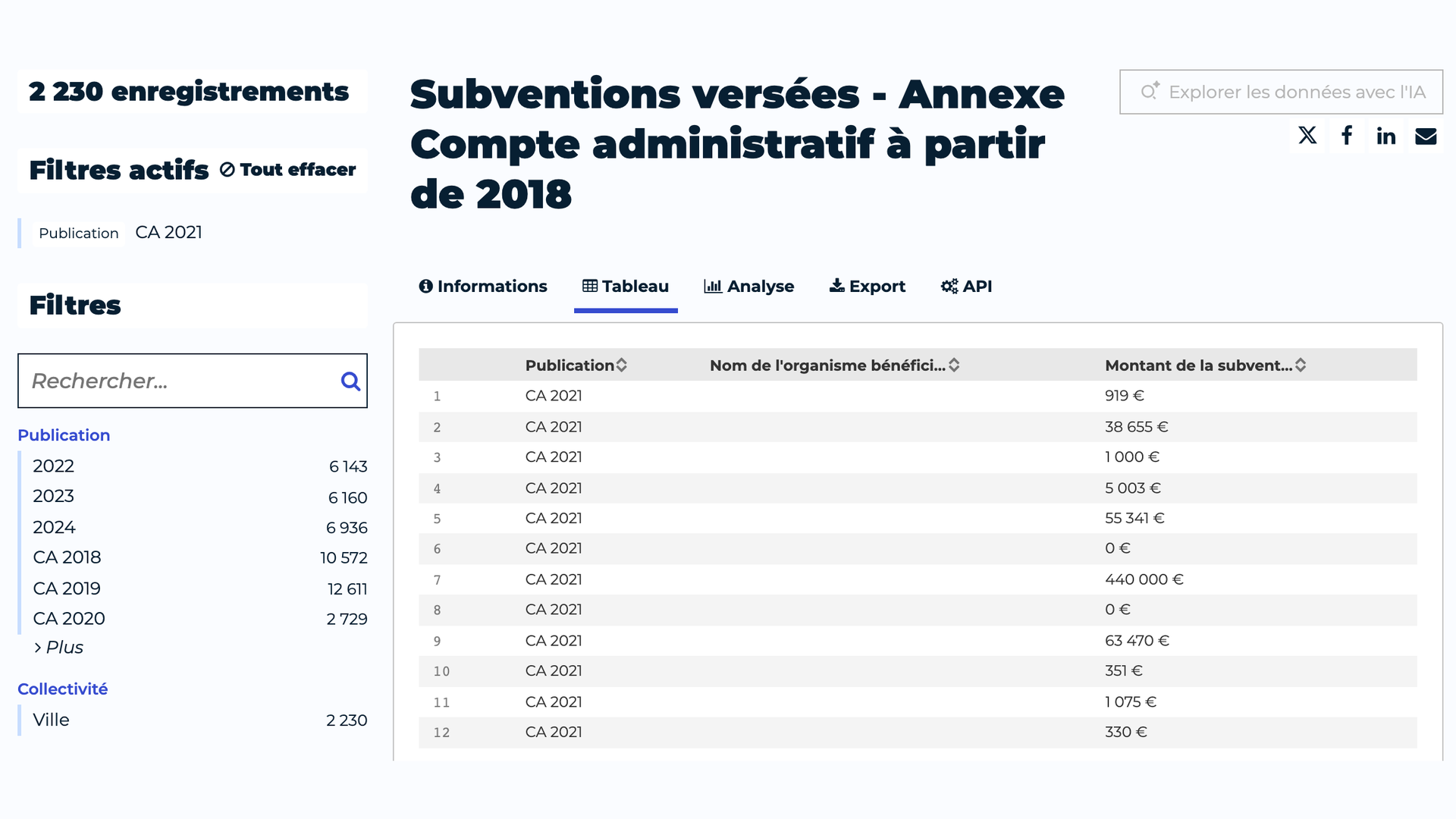
The Paris portal screenshot embedded in Daniel's submitted slide 2. This is the example he brought to the festival, not a new audit of the portal. Presentation: Daniel Shavit.
Daniel's work asks what would happen if we started with the things people already care about. The park nearby. The theatre. A contract for work down the street. Who made the decision? What did they approve? Where can somebody read it?
That question became Tale of a City, his project through the AI Builders Fellowship with Internet Archive Canada and BC + AI.
A place gives you a way in
Daniel described rebuilding connections between public spending and the places it concerned. In his Paris example, a theatre becomes an entrance to a history of grants, works and council deliberations. Someone doesn't have to know the document's filing vocabulary before they can begin.
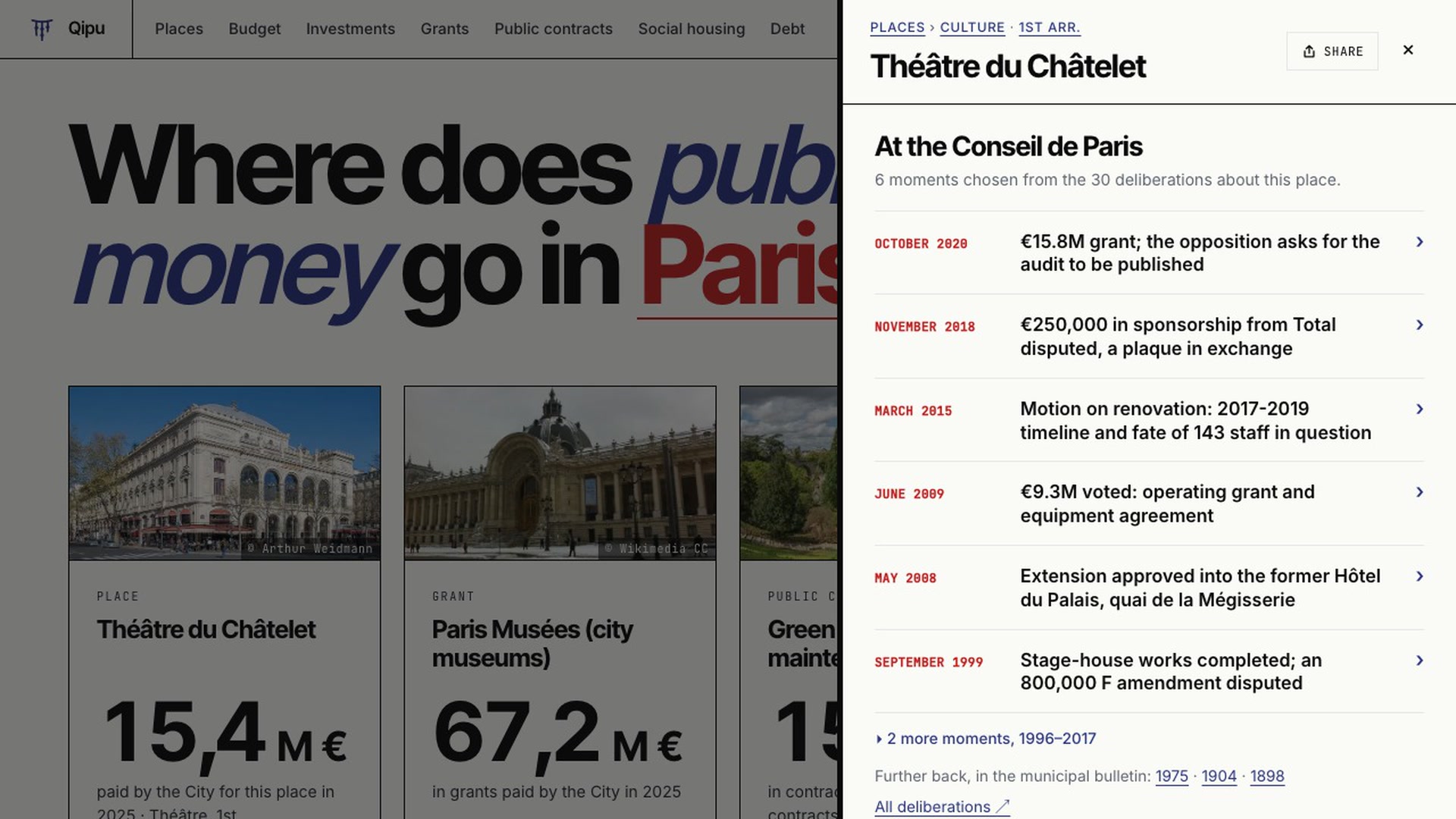
A still supplied with the Paris interface recording in slide 4. Place, chronology and source links appear together. Interface and presentation: Daniel Shavit / Qipu.
A map can make a relationship easier to see. It can also make a claim look more settled than it is. The important move here is keeping a route from the place back to the decision and from the decision back to its source.
Our October feature on the two fellows' projects described that geographic route alongside Jacob Ortiz's approach to comparing government publications. They are different entrances into the public record. Both become more useful when a reader can leave the summary and inspect what it rests on.
Vancouver appears, then the records come into view
At Futureproof, Daniel brought the work to Vancouver. He described getting access to years of council minutes through the Archive collaboration, then showed a film combining a city view with the records connected to it.
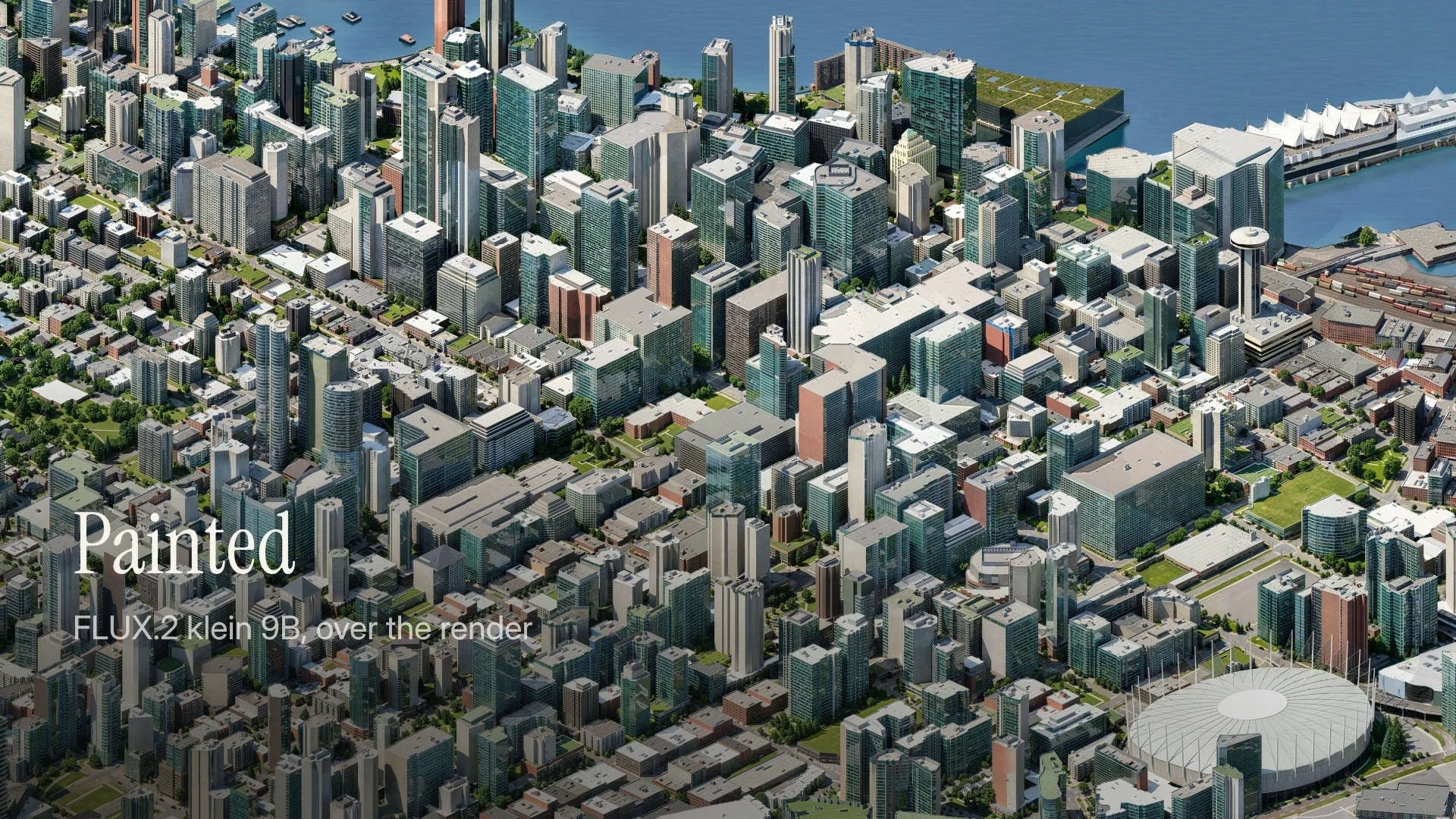
A frame at 00:45 from the film embedded in Daniel's submitted slide 5. The film identifies an AI painting treatment over the city render. This is a visualization, not an archival aerial photograph. Film and project: Daniel Shavit / Qipu.
The film gives the place visual presence. Its more consequential move is bringing documents and archive material into the view of a particular street. A city stops being only a surface to look at. You can begin asking how decisions accumulated there.
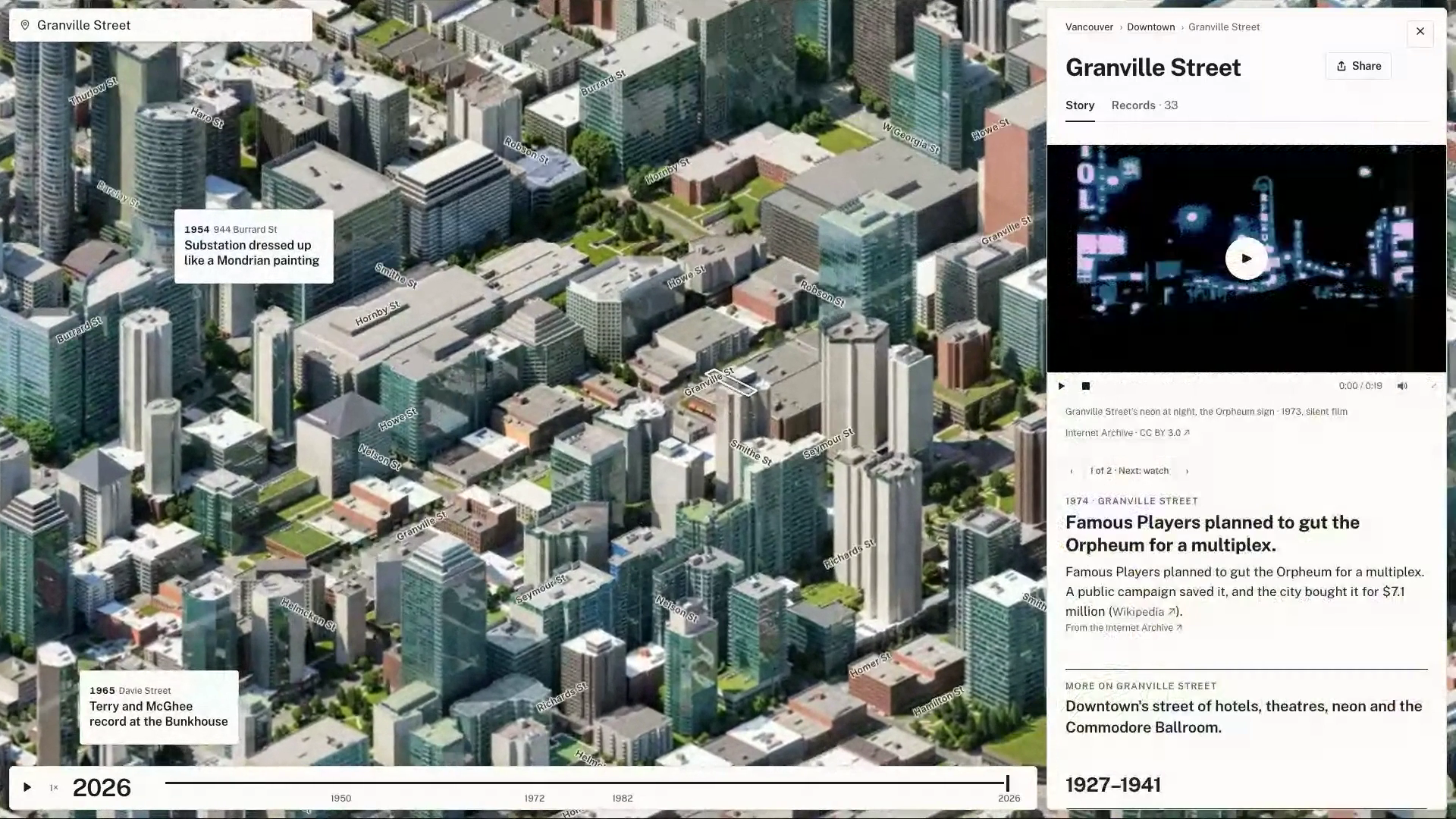
Film frame at 02:30, showing the Granville Street reading panel. The image is a still from the submitted film. Visualization, interface and film: Daniel Shavit / Qipu; archive material is credited within the interface.
There is a distinction worth keeping beside those images. A compelling historical view is still a model with choices about dates, buildings and missing information. On the current Vancouver project page, the method explains that the dated buildings are buildings still standing, rather than a complete reconstruction of every earlier city. It also names gaps in council records and in the underlying map data.
That is useful information to put where a visitor can find it. A year slider can look wonderfully authoritative. It needs an explanation of what changes when you move it and what the map cannot show.
In my first-year account of Futureproof, the fellows were part of what made opening night feel concrete: people had made things we could look at and question. Daniel's film creates that invitation. The source links and method have to carry it further.
History should help you enter the next decision
After the Vancouver film, Daniel showed a San Francisco example connecting older records to a current civic agenda. He described tracing who was involved, where money went and what earlier decisions concerned the issue now coming forward.
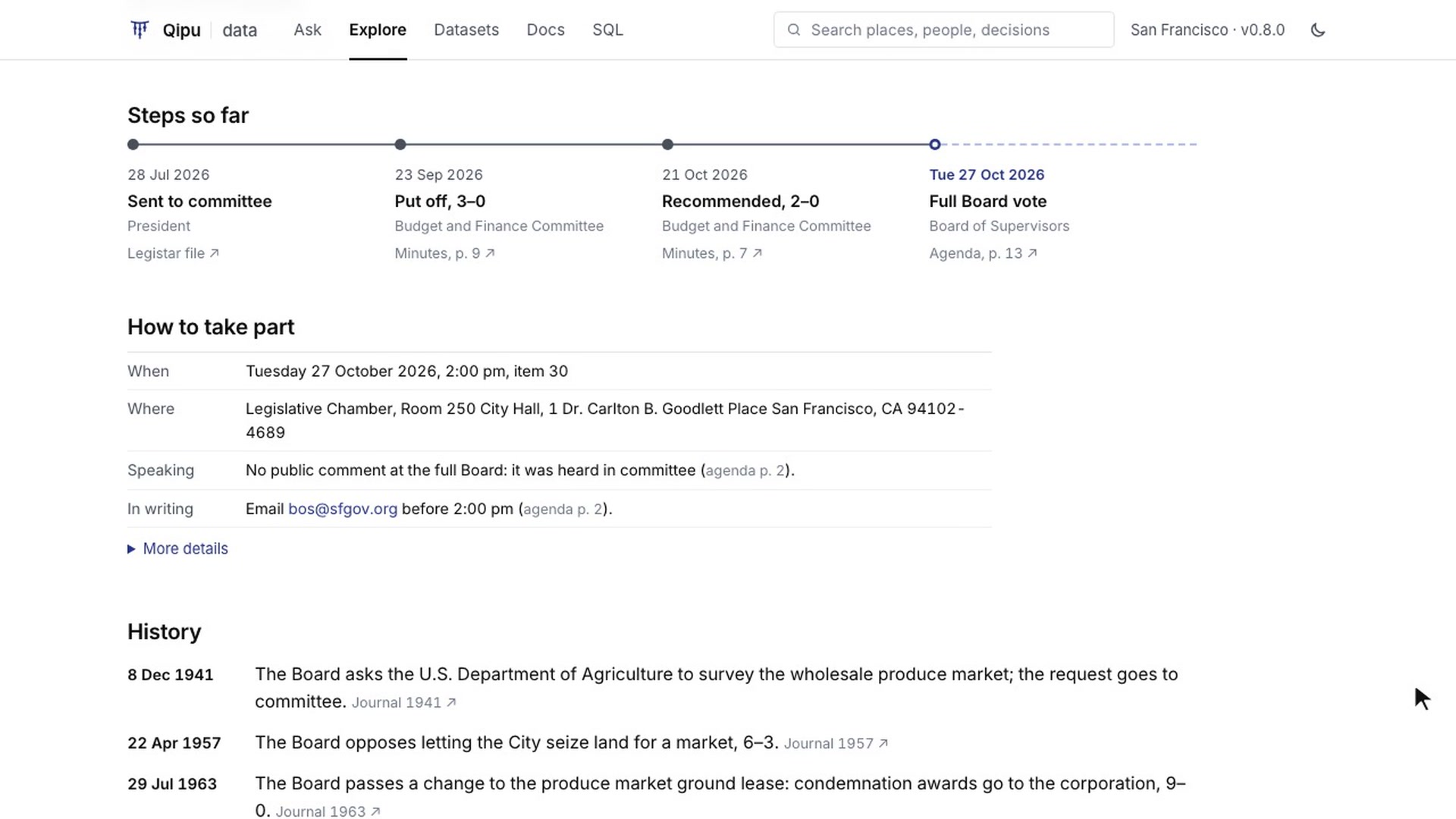
The San Francisco example from submitted slide 7, supplied as a still with the interface recording. The dates and participation details belong to that demonstration, not to current Vancouver council business. Interface and presentation: Daniel Shavit / Qipu.
This is where a civic archive can change the work required to participate. A journalist investigating an issue, a resident preparing a question and a public employee checking a decision all need context. If each person has to rebuild the history alone, the people with time and institutional knowledge begin with an enormous advantage.
Daniel's proposal is to make more of that history available at the point where somebody can use it. He also showed a question-and-answer interface with source references alongside the response.
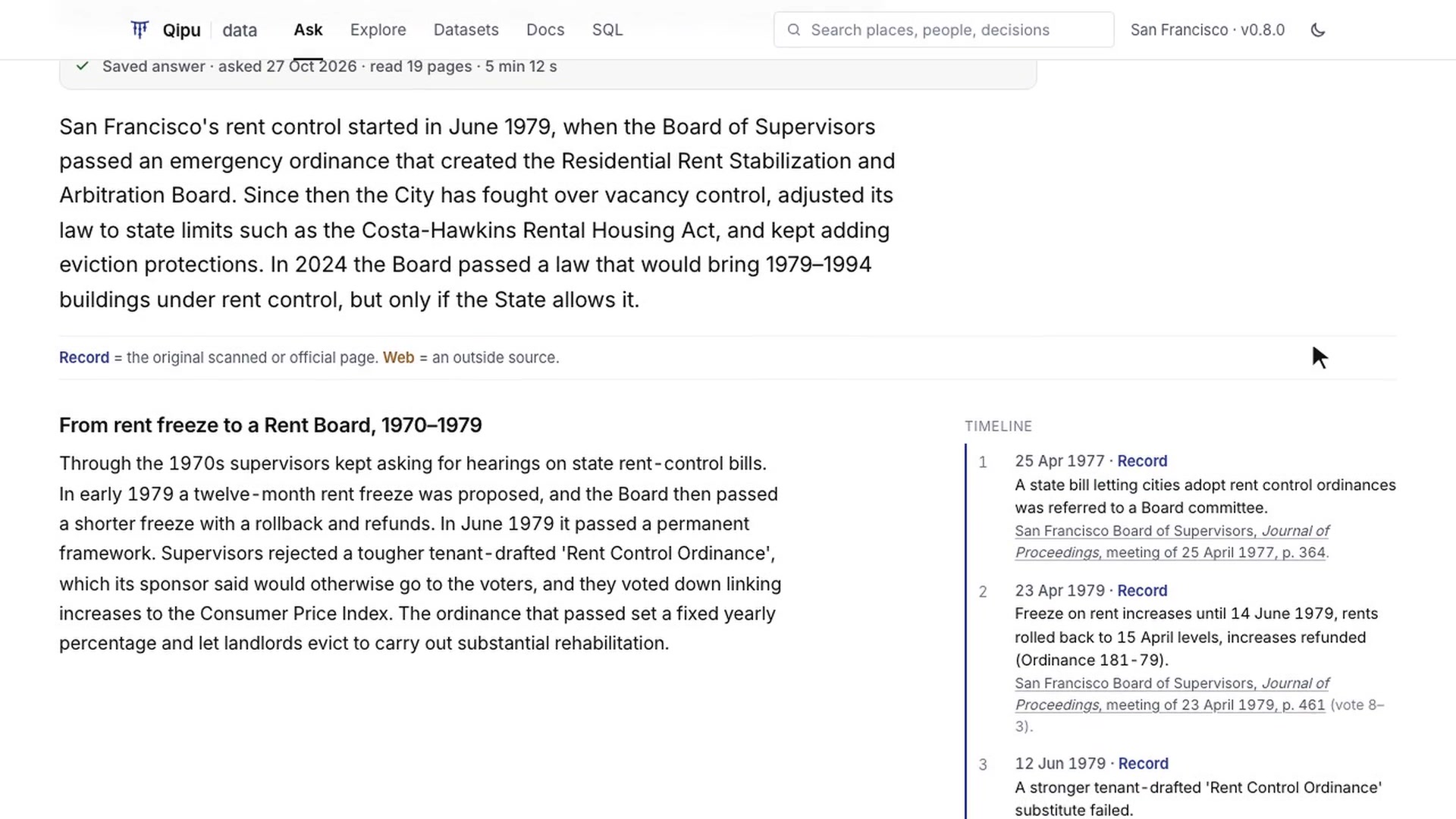
A supplied still from the San Francisco interface recording, submitted slide 8. The displayed response is a project example, not legal advice or an independently verified account of rent law. Interface and presentation: Daniel Shavit / Qipu.
On stage, he argued that organizing the underlying dataset could make it usable by different models, including ones people run themselves. That is a design ambition worth examining. Preserving a usable dataset, its sources and a way to query it gives future builders something they can work with when today's preferred model changes.
He said he wanted to keep the decisions updated and make extracted information available beside the original records. The public Tale of a City repository offers a place to inspect the Vancouver data work behind the presentation. The upkeep matters as much as the first demonstration. A civic tool becomes less useful if the city keeps making decisions while its map stands still.
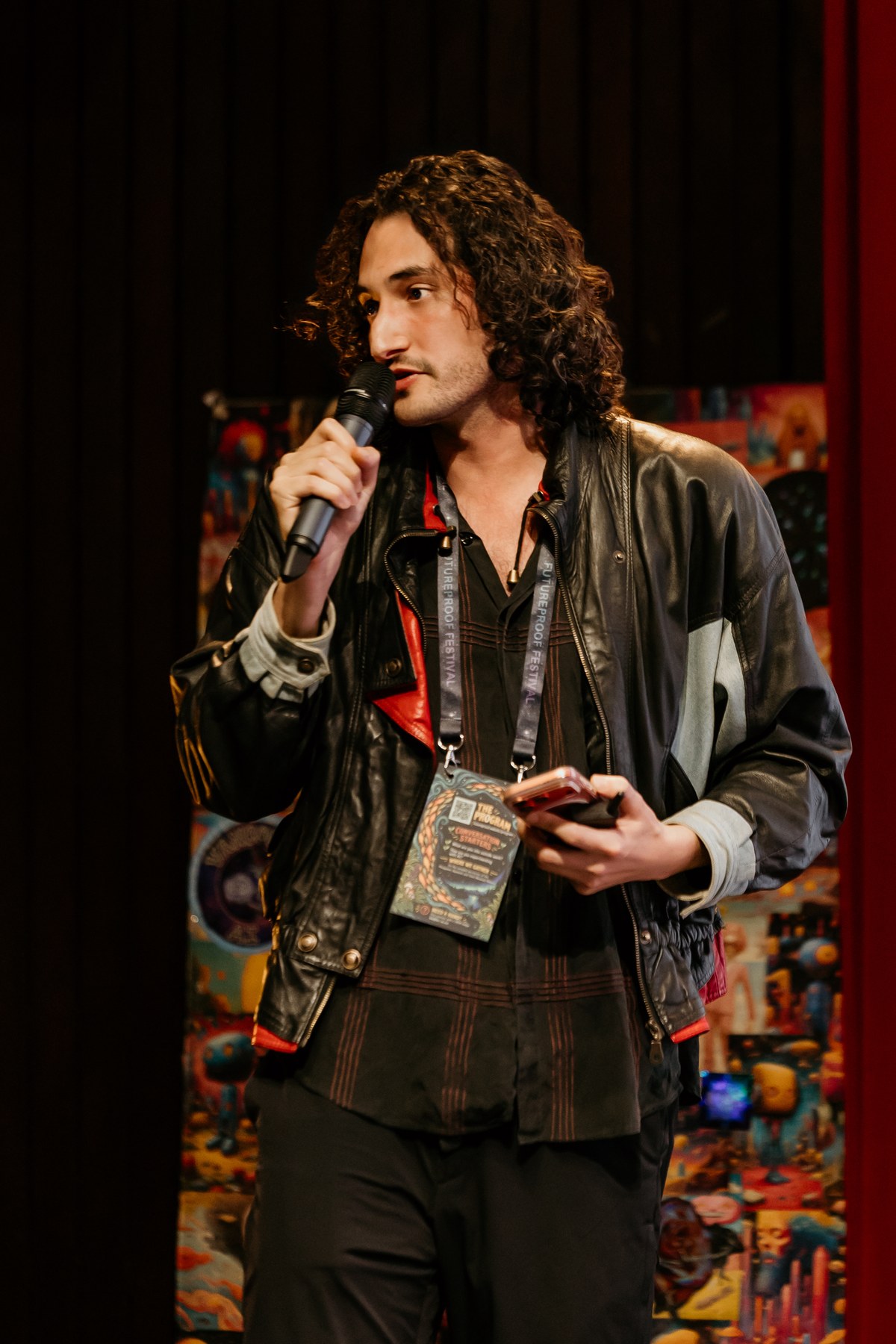
During the fellowship presentation sequence.
Pick a place you know well. Find the record behind one decision that shaped it. Then follow the next decision still being made. A public archive earns a different kind of value when it helps somebody arrive at city hall with a better question.