Futureproof Festival / 2026
Ben Shneiderman: the camera can focus. You choose the frame.
The conversations worth coming back to.
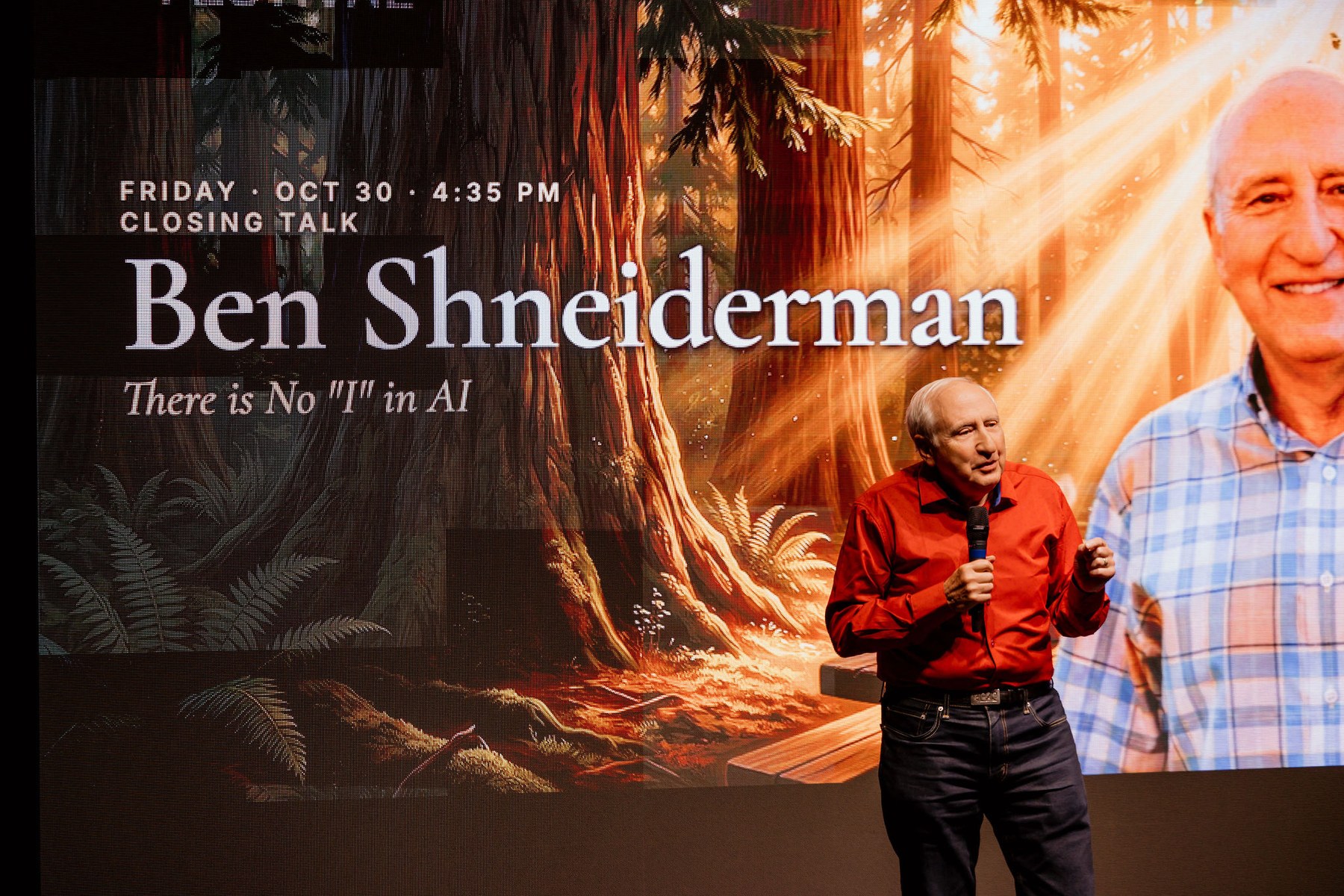
Ben Shneiderman closes the talks at Futureproof Festival of AI. October 30, 2026.
A camera can do an absurd amount of work between your finger and the picture.
The focus. The exposure. All that computation helping you catch a moment before it disappears. Ben Shneiderman brought the camera into his October 30 closing talk at Futureproof Festival of AI at Vancouver's H.R. MacMillan Space Centre, then put the decision back where a photographer would recognize it.
Where do you point the thing? What belongs in the frame? When do you press?
I'm a photographer. Give me that example and we have something to work with.
Automation can leave you with more to say
Ben's Human-Centered AI framework makes room for substantial automation alongside substantial human control. Those are separate dimensions of a design.
Ben connected that argument to Amber Case's calm technology: help people carry out an intention without making them wrestle with the interface. The amount of work a machine does tells us very little about the attention it demands from its user.
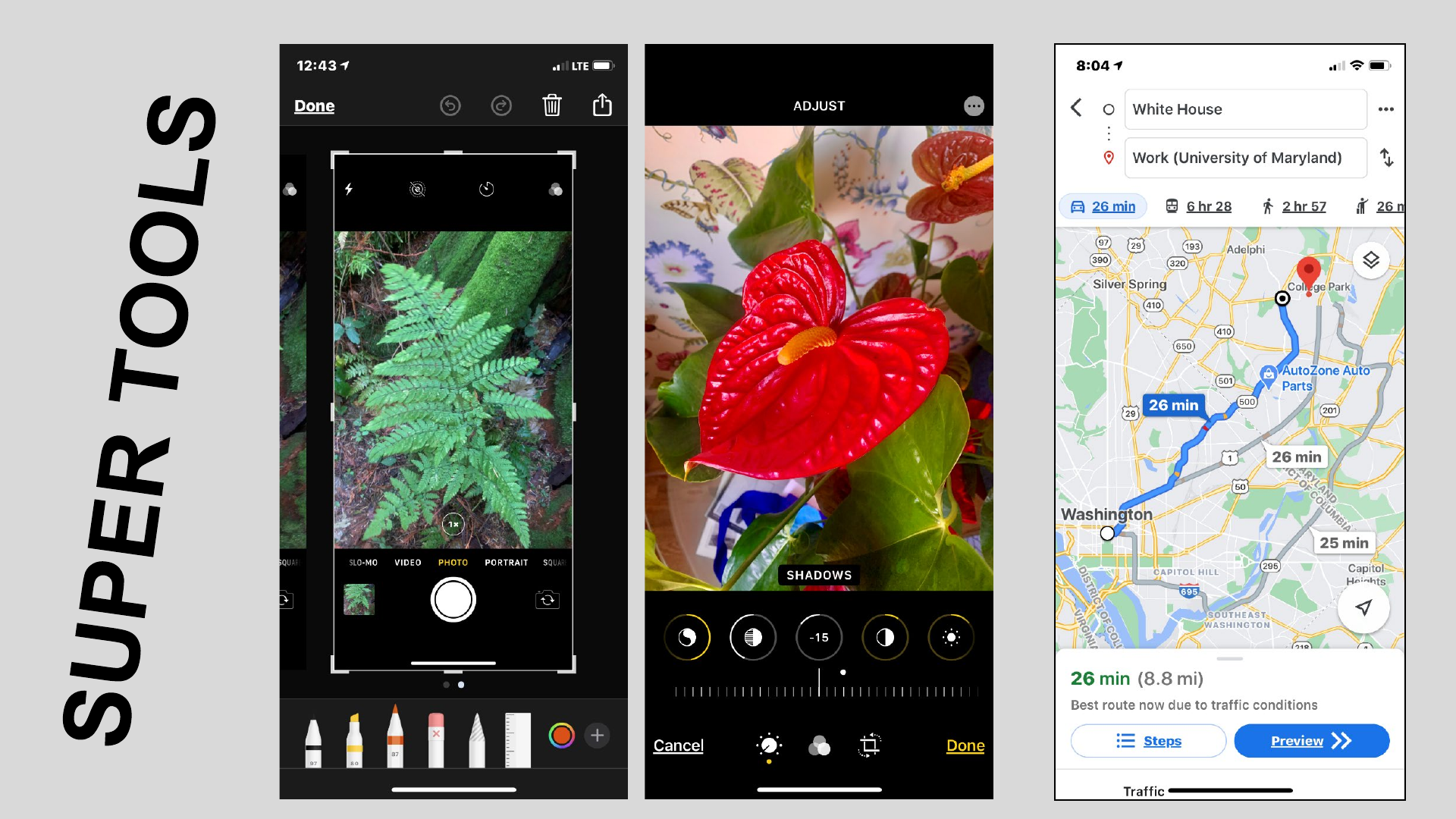
Photography, editing and navigation as tools a person can steer. Ben Shneiderman's supplied 2026 presentation, page 4.
You can build a technically capable system that gives someone meaningful choices. You can also build one that does complicated work while leaving its user with very little say about what happens next.
The camera makes the distinction tangible. Getting help with focus doesn't decide whose face matters to the picture. A technically clean image can still be a lousy photograph. I have to notice something. I have to choose where to stand. I have to decide what to leave outside.
That last part matters. Every frame excludes something. The machine doing more work doesn't make my choices disappear.
Before I get lost in an AI product demonstration, show me what I can change. Show me how I know what happened. Show me what happens when I want to stop.
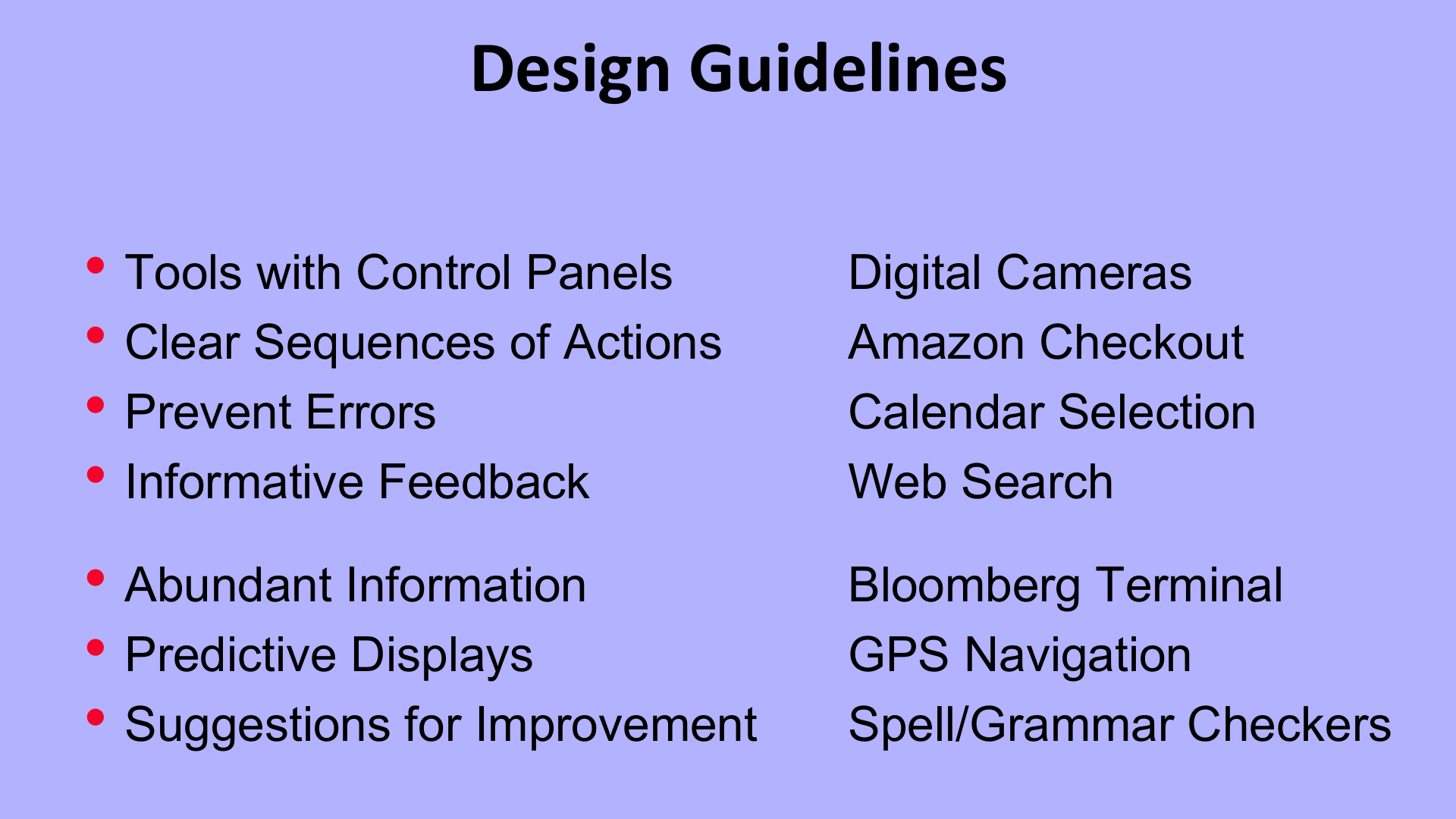
Ben's supplied Design Guidelines slide pairs interface choices with everyday applications. His 2026 presentation, page 10.
Give me a way back
His Eight Golden Rules of Interface Design make the control question practical. Give the user visible feedback, a clear ending to a task and a way to reverse a decision. Those choices shape how confidently someone can explore.
Suppose an image editor brightens a photograph and I decide the darker version was better. I want to compare the two and get back to the exposure I chose. A record of my prompts alone makes me reconstruct the sequence; visible versions let me look at the pictures. That difference matters when my attention is supposed to be on the photograph.
Keep the clever machinery. Give me a way to change my mind.
Ben gave us a disagreement worth keeping
In the Q&A, Ben pushed back hard on calling AI a teammate or a collaborator. His argument was that person-like language can confuse design choices and blur how people understand responsibility.
If calling a system a collaborator changes who we think is responsible for its decisions, the word is doing design work of its own.
Earlier, Philippe Pasquier had described musical agents and co-creation. A musician responding to generated sound is dealing with an interaction they can hear. Ben asks what we lead people to believe when we call the system making that sound a collaborator.
Those positions don't neatly fold into each other. Good. We can hold a festival where people disagree about something consequential and still listen closely.
Ben returned to his published debate with Pattie Maes near the end of the Q&A. The 1997 exchange lets you read the case for delegation alongside his case for interfaces a person can understand and steer. Bring both arguments to the tool in front of you. What should it do on your behalf, and what do you need to see before it acts?
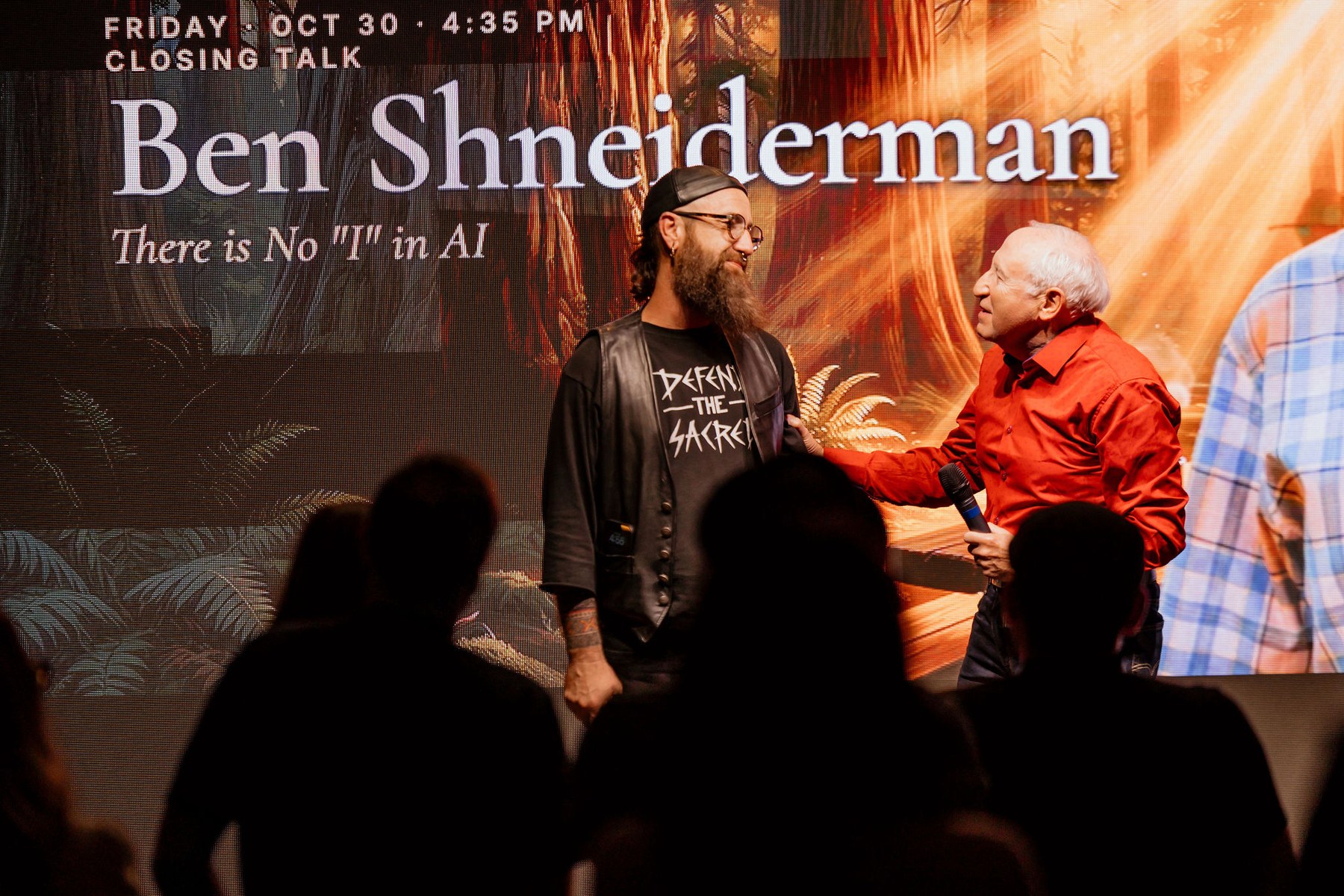
Introducing the closing talk, October 30, 2026.
The useful work starts when we get specific. An improvising musician, a learner and someone seeking care have different needs. What does each person believe the system can do? Which choices remain available? Who answers when it fails?
The unit of intelligence can be a group of people
Ben ended by looking beyond the individual using a machine. He argued for building tools that help people work together, turning collective intelligence toward shared problems.
He pointed to Jacob Ortiz and Daniel Shavit, whose fellowship projects used Internet Archive Canada's collections. Their work gave his case a concrete example: people building new ways to read and question material someone else had preserved.
Putting smart people together doesn't automatically give them a way to work together. Neither does giving them a chat window with a friendly personality.
Someone has to make an introduction. Someone has to explain the part they understand. Someone needs enough trust to admit that their first idea didn't work.
That connects with the reason I keep showing up for BC + AI's communities. We have different kinds of knowledge scattered among people who need chances to use it together. The introduction matters when it leads to something those people can actually do together.
Look through the festival photographs and you can see the conversation continuing between sessions: people leaning toward each other, somebody still holding a microphone, somebody else with a question. Designing a way for that exchange to continue is part of the work too.
In my account of Futureproof's first year, I wrote about the trust involved in asking people to gather. Ben's closing gives me a question to take back to that work. What are we making possible for people to do together?
A good camera leaves the photographer with more room to pay attention. I want the same seriousness from the systems we are building now.
Pick an AI tool you use this week. Point to one decision it helps you make, and one decision it quietly makes for you. Are you happy with that arrangement?