Futureproof Festival / 2026
Alexandra Samuel: before you start another damn AI project
The conversations worth coming back to.
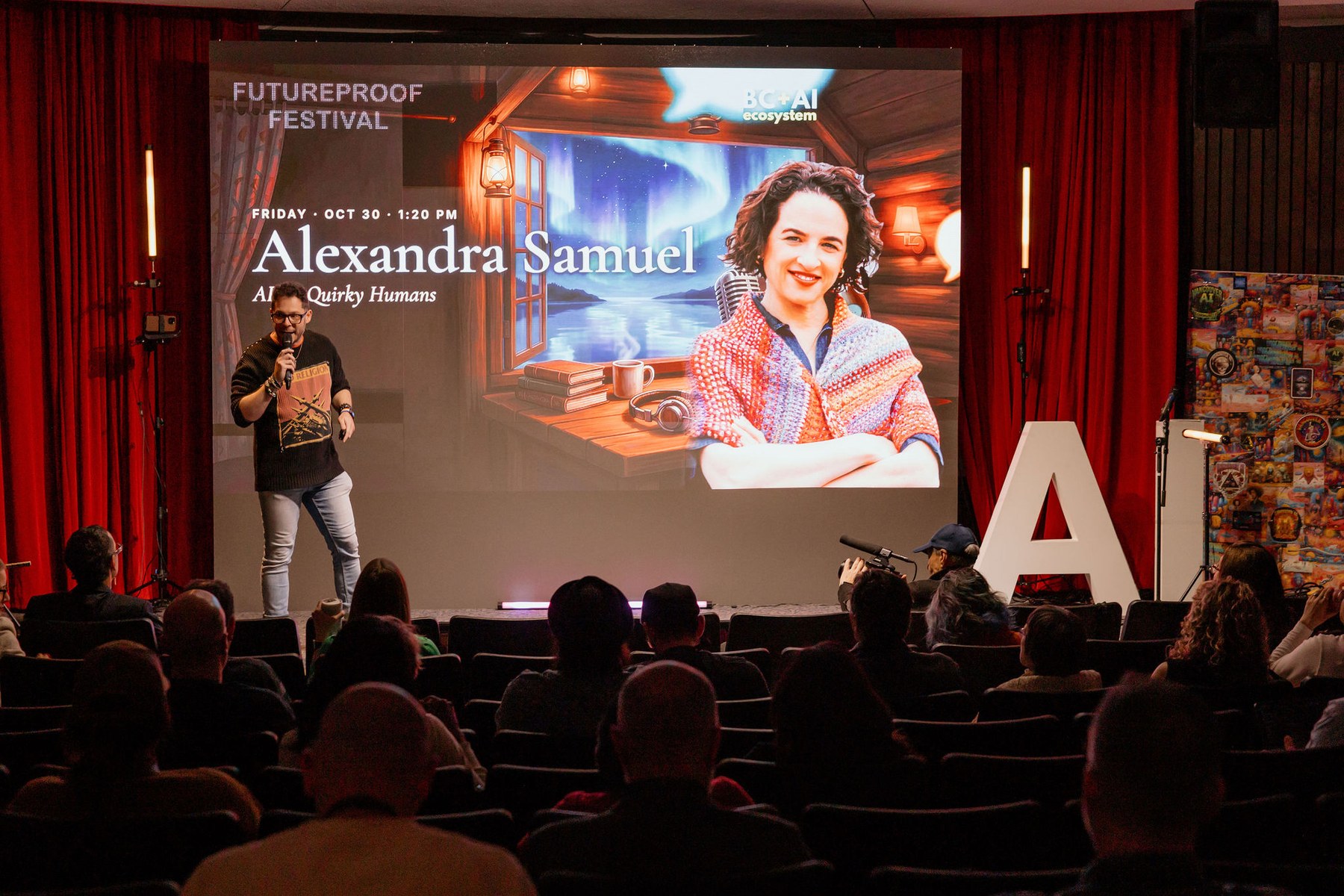
AI for Quirky Humans at Futureproof Festival of AI, October 30, 2026.
Alexandra Samuel put a speed bump on Claude.
Before it could run off and turn another passing thought into a project, it had to wait for her to say Go Dog Go.
I like an AI demonstration with a brake in it.
In her October 30 talk at Futureproof Festival of AI, at Vancouver's H.R. MacMillan Space Centre, Alexandra made the case for designing work around the actual person doing it. Her examples were funny, occasionally filthy, and much more useful than another sermon about becoming a more efficient version of your boss's favourite employee.
What helps you do good work? Where does the standard way of doing it get in your way? And why are we asking people to answer those questions only after they've exhausted themselves trying to fit?
Same assignment, different ways in
Alexandra's forthcoming book, Working Neurosmart, examines differences in how people think, perceive and communicate at work. On stage she organized that discussion around five functions: sense, memorize, analyze, regulate and translate.
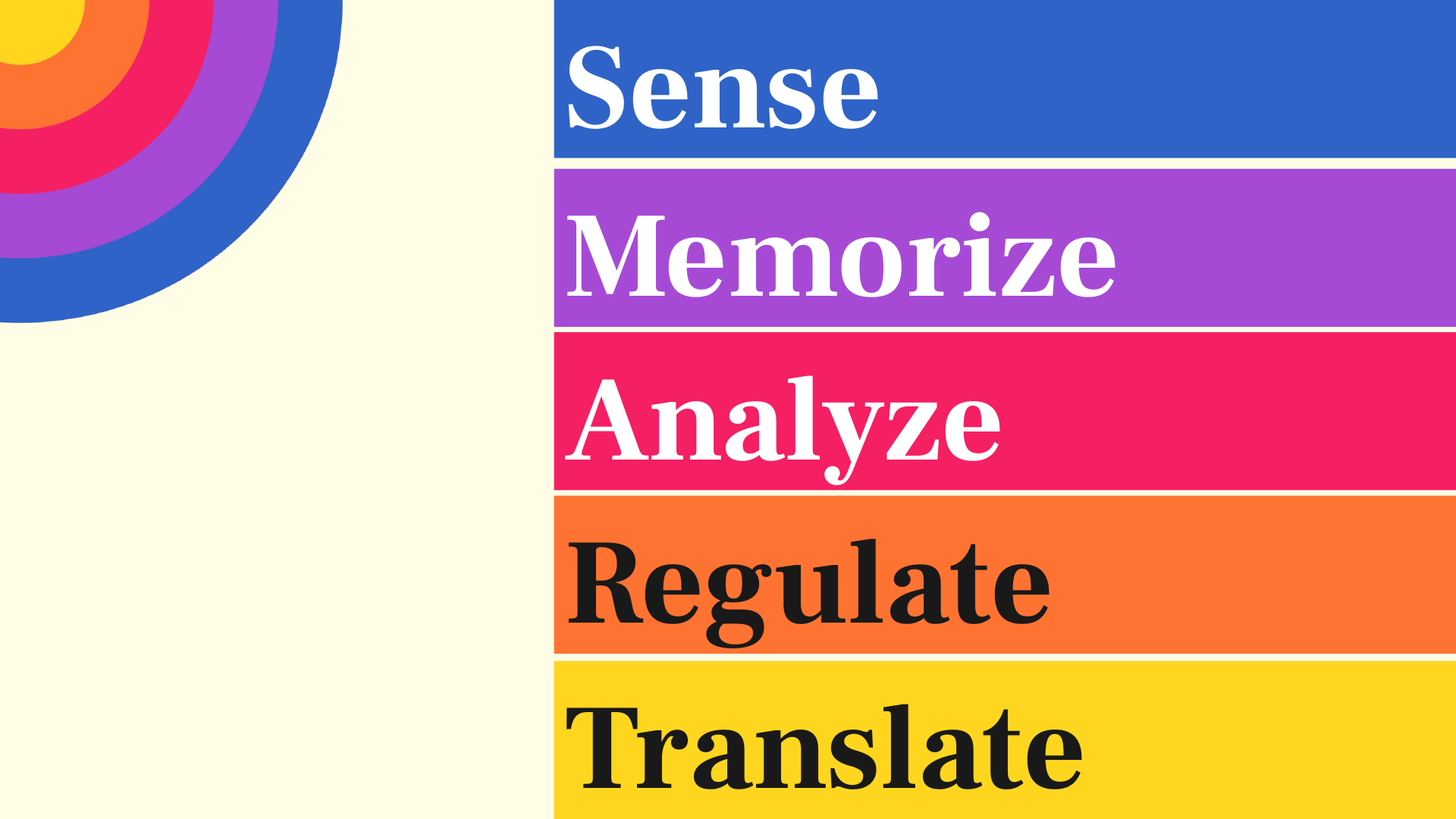
The five functions in Alexandra's framework. Submitted presentation, slide 9. Presentation: Alexandra Samuel.
Take a meeting. One person wants the spreadsheet. Another needs the whiteboard. Someone else is trying to find the decision hidden inside forty minutes of conversation. Insisting on one format can leave people spending their energy translating the work before they can contribute to it.
Alexandra calls attention to those functional differences through neurovariety. Her question is what conditions help someone work, and how colleagues can understand those conditions well enough to work together.
In the Q&A, she pushed back on making medical disclosure the price of an ordinary working accommodation. A person should be able to explain that a quieter space helps them concentrate. The conversation can begin with that need.
It is a useful challenge for the people gathering around Ed + AI, too. When a learner is struggling with a format, how quickly do we decide the learner is the problem? What changes if we let them show understanding another way?
Let me see the options before you ask me to describe them
Alexandra's NeuroSmart Reflector gave the argument an object we could look at. She described developing its interface with Mack Hardy and the team at Affinity Bridge.
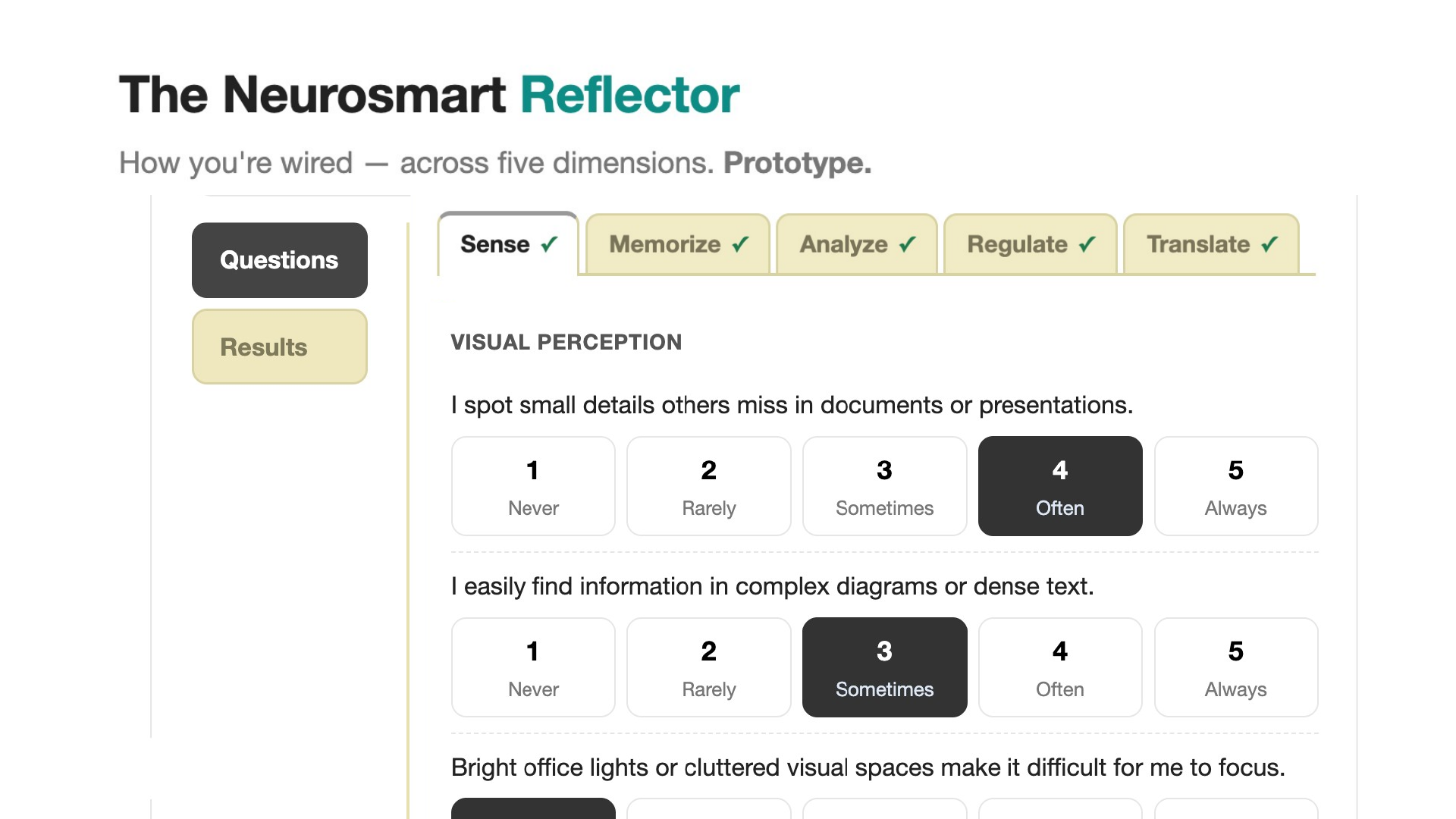
An early Reflector interface in Alexandra's submitted presentation, slide 20; the corresponding Friday show page is 101. The tool is presented for self-reflection about work. Presentation: Alexandra Samuel.
She knew the information she wanted people to work with. Specifying a visual design was harder. She asked her Claude skill for about twenty deliberately different options in one web gallery, with a place to leave feedback on each. The brief also had to survive a handoff to Affinity Bridge. The developers needed to be able to build what she chose.
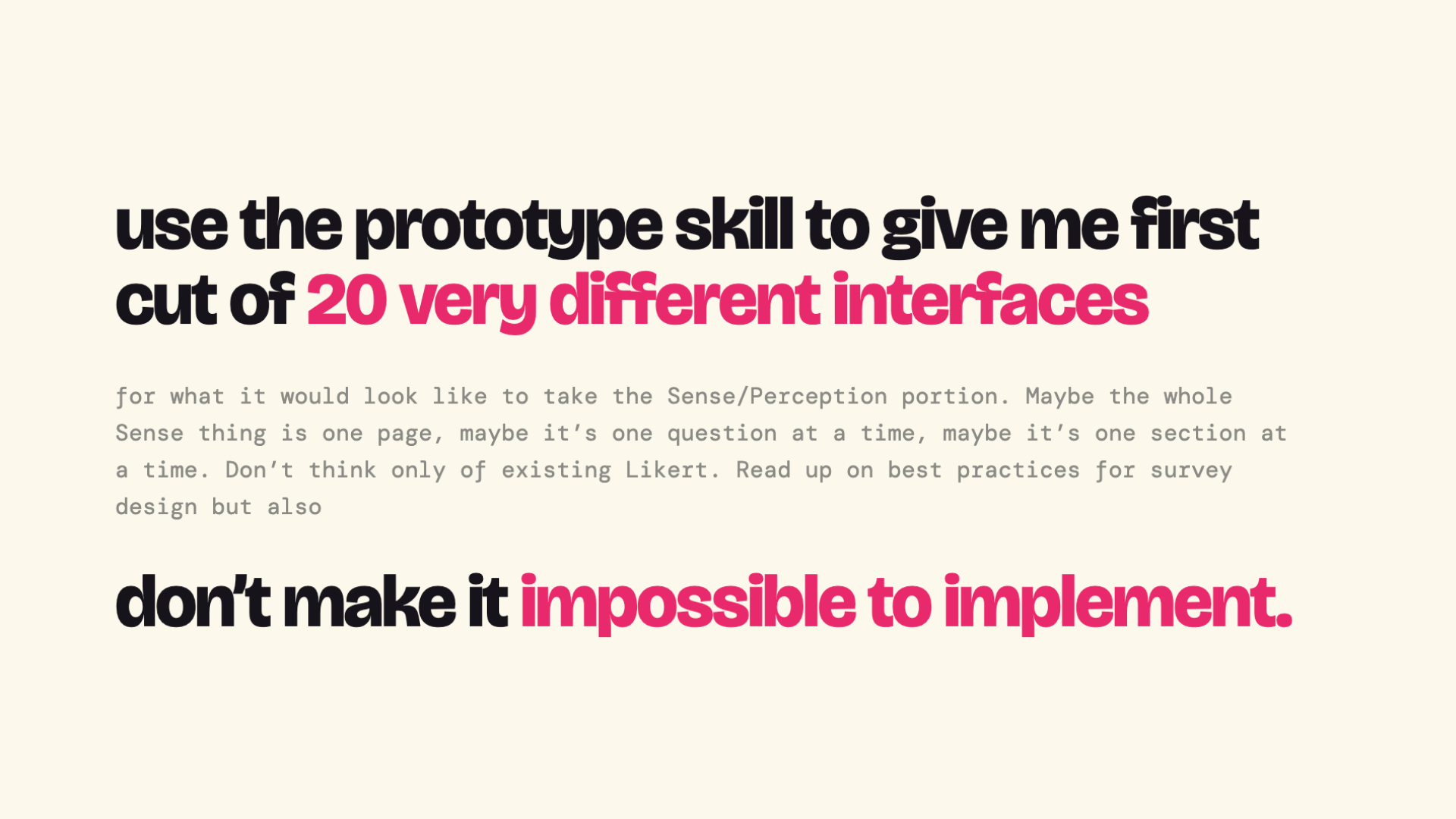
The prototype brief, including the implementation constraint. Submitted slide 21; Friday show page 102. Presentation: Alexandra Samuel.
She could pick one version, reject another and ask to try a different colour. Those choices gave the next round a direction and gave her something concrete to show Mack. The little feedback box matters as much as the twenty mockups.
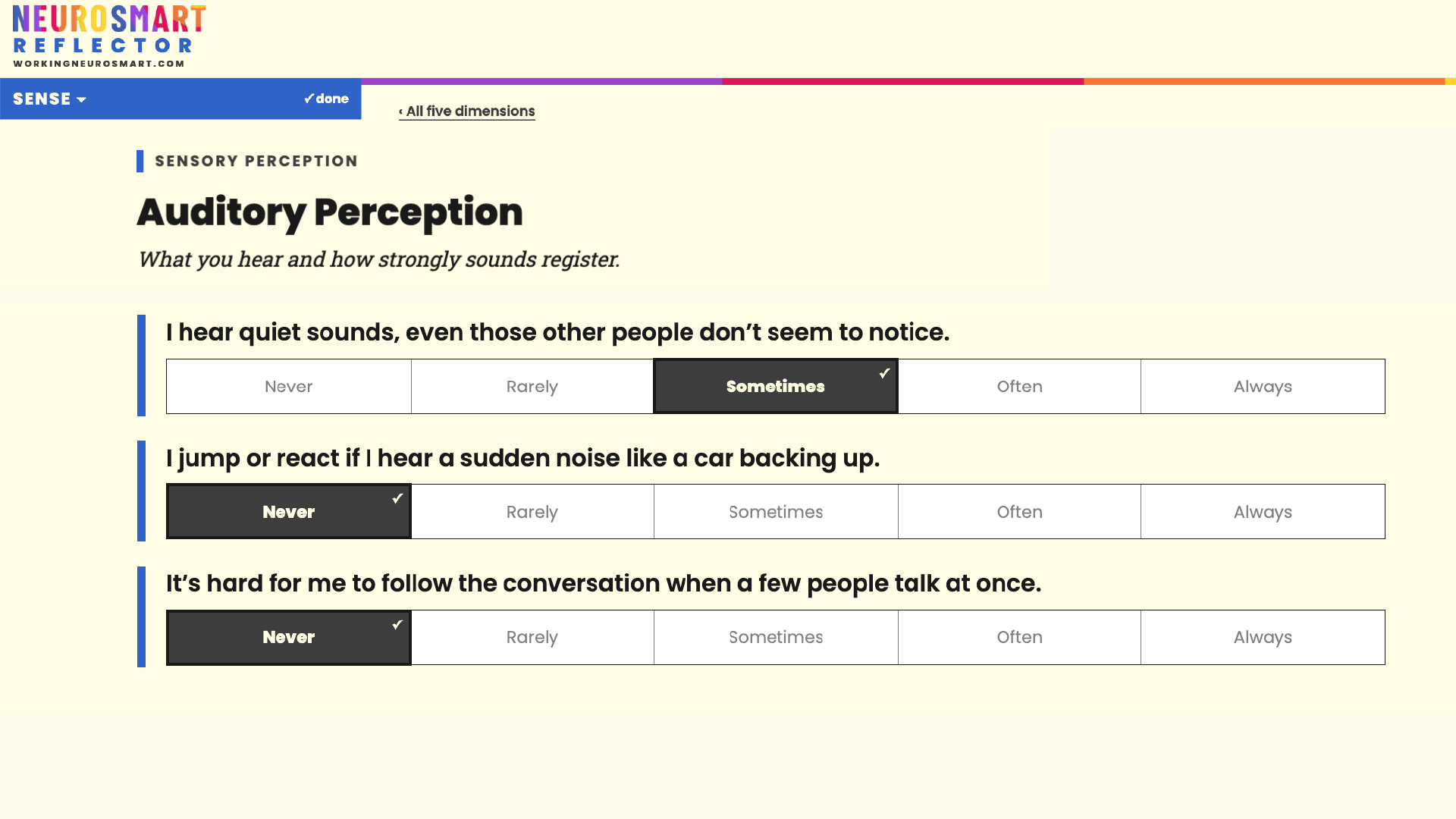
A later Reflector screen from the submitted presentation, slide 24. An actual interface example, rather than a recreated mockup. Presentation: Alexandra Samuel.
In my workflow session with founders, I argued for keeping a project's brief and context somewhere the work can continue. Alexandra adds another requirement: the process needs to fit the person using it. A beautifully organized project can still send its owner down every side road in sight.
The pause is part of the tool
That's where Go Dog Go comes in.
Alexandra described how easy Claude made it to pursue too many things at once. The new rule introduced a moment in which she had to decide whether an idea deserved more work. She reported finishing more of her own projects after adding it.
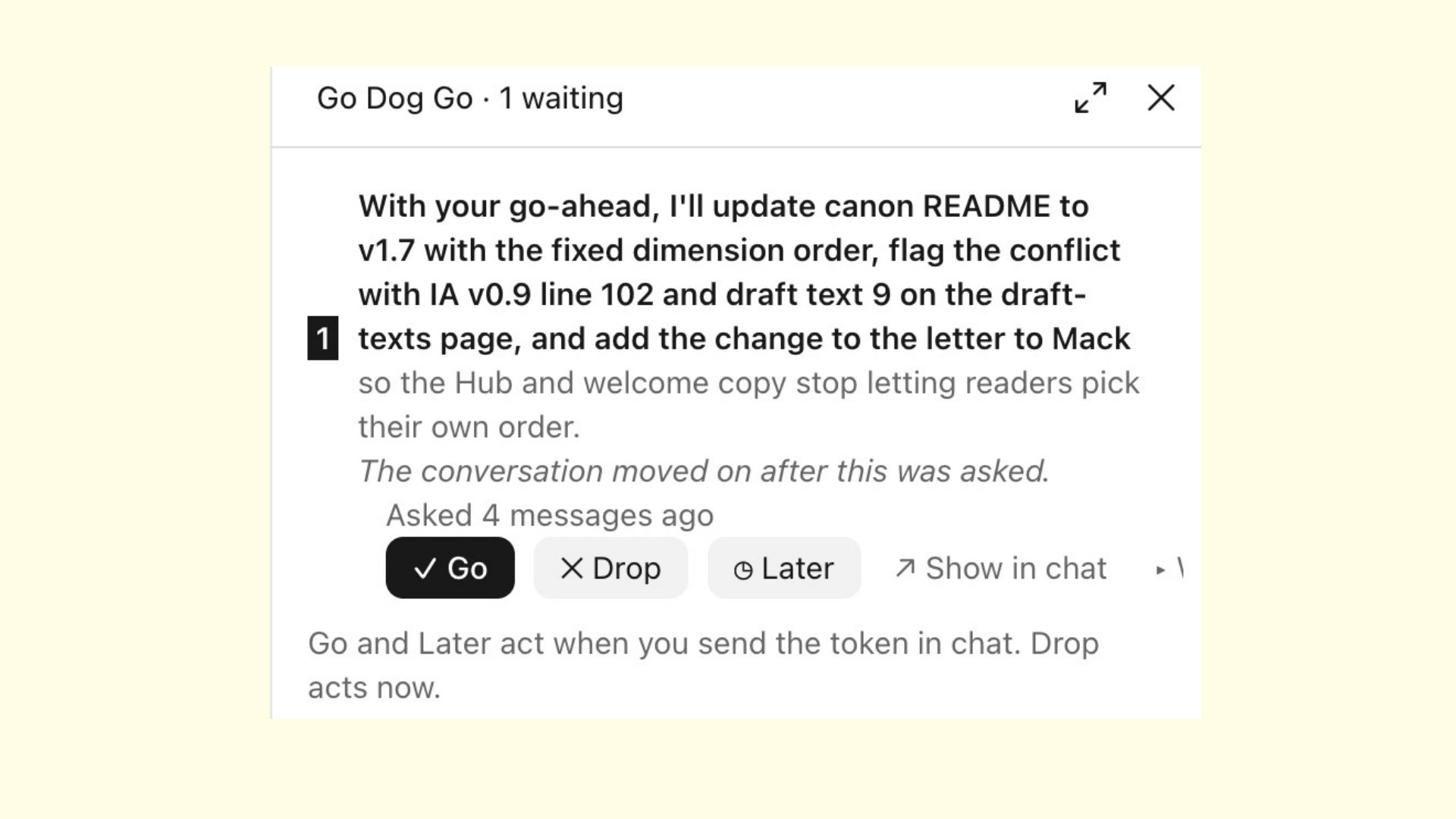
The waiting step, with controls for deciding what happens next. Alexandra's submitted presentation, slide 30. Presentation: Alexandra Samuel.
Look at the decisions in that interface. Go. Drop. Later. The system can hold a possibility without turning it immediately into an obligation.
That's a more interesting measure of assistance than how much text appeared while you were making coffee. Did the tool help you finish something you care about? Can you leave an idea alone without feeling you've lost it? Can you tell it to wait?
Later, Ben Shneiderman's closing talk would make human control a central design question. Alexandra gave us a small, recognizable example of what a control can do for a particular person.
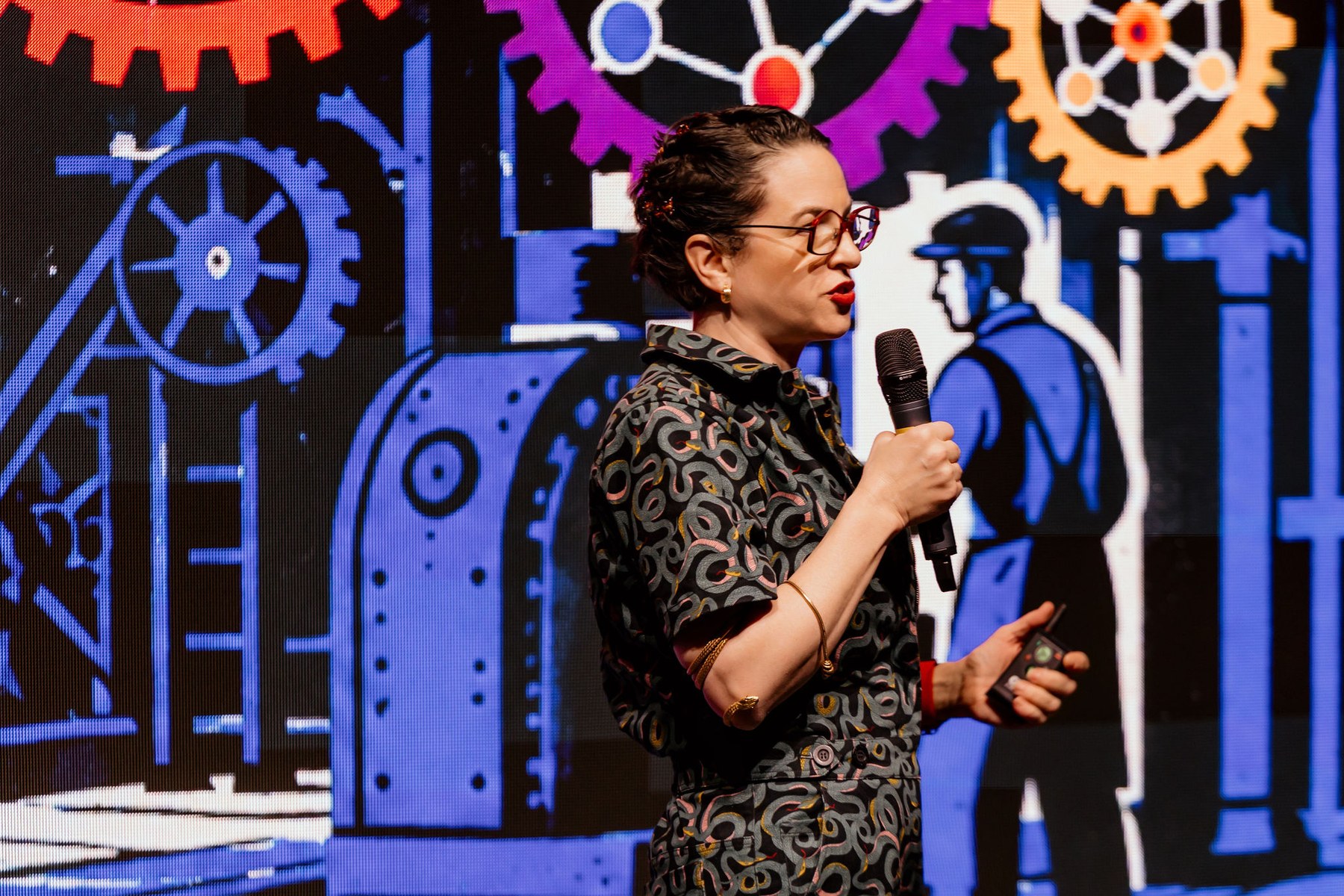
Different ways of thinking, on the festival stage. October 30, 2026.
The Q&A also got into AI helping someone turn a furious first draft into an email a colleague could actually receive. Alexandra recognized the value of that translation. Being able to express yourself and expecting another person to absorb the unfiltered version are different responsibilities.
There is plenty of work between those two things. Help me say what I mean. Keep the point intact. Give the other person a fair chance to understand it.
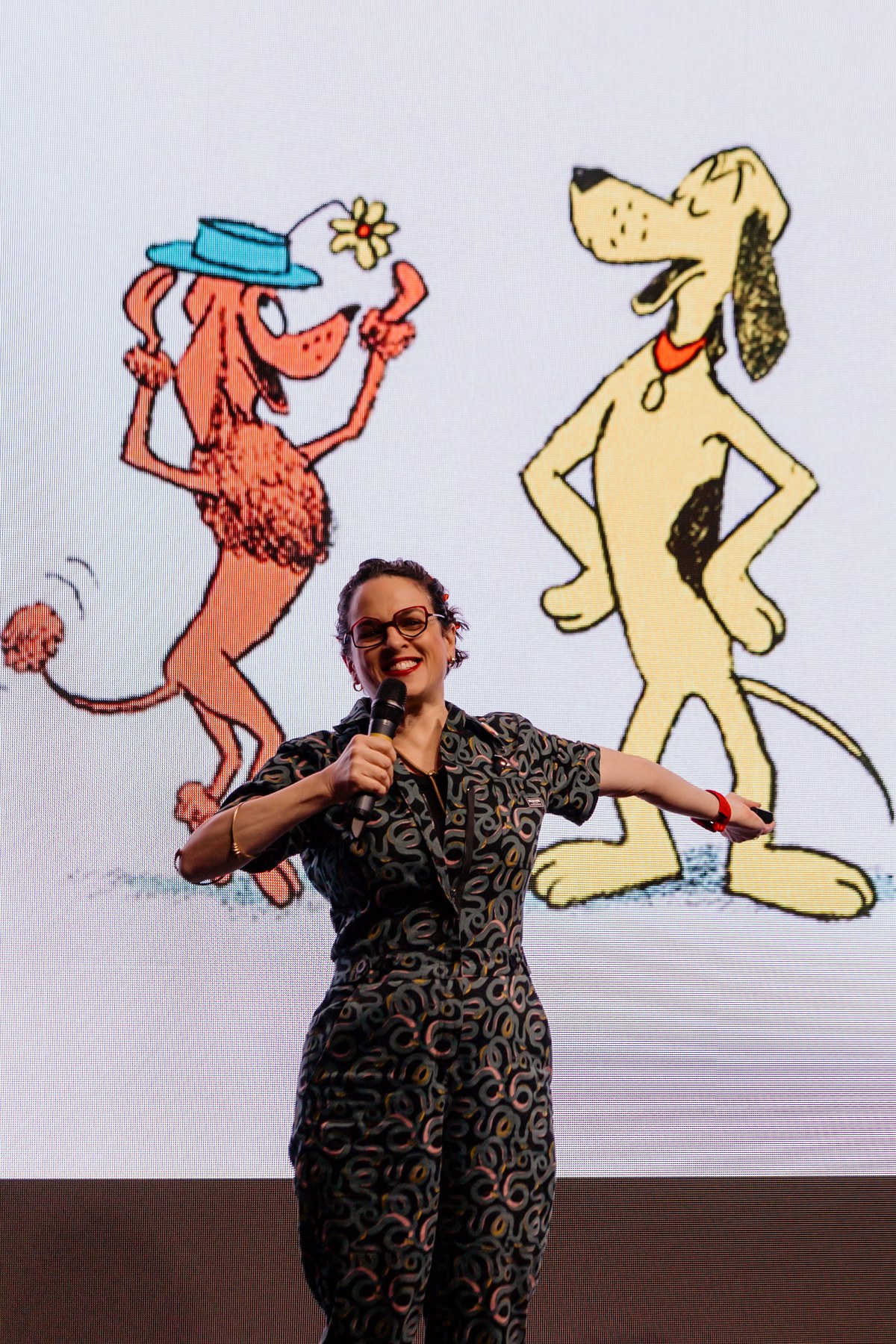
The Go, Dog. Go! reference running through Alexandra's talk. October 30, 2026.
Alexandra's Thrive at Work newsletter continues this work around how people can use technology while keeping hold of their own ways of working.
Start small. Choose one recurring task. Where do you lose the thread? Put the pause, reminder or different format there. Then judge the change by whether the work gets better for the person doing it.