Futureproof 2026 · Vancouver
Amber Case
Founder · Calm Tech Institute
Calm Technology in the Age of Loud Machines
What if the tools we use every day could ask a little less of us?
Read Kris Krüg’s recap ↗What does a tool ask of you?
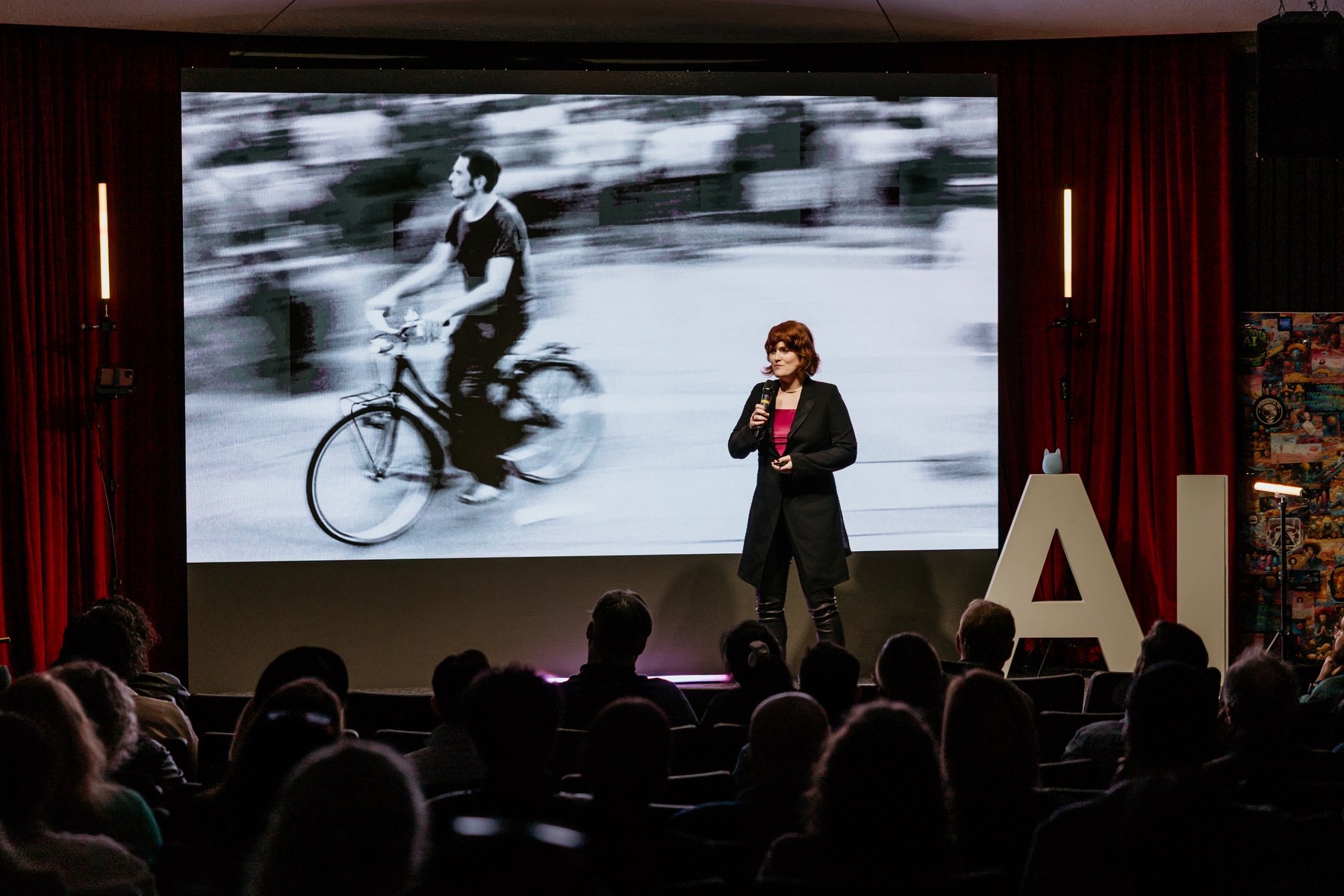
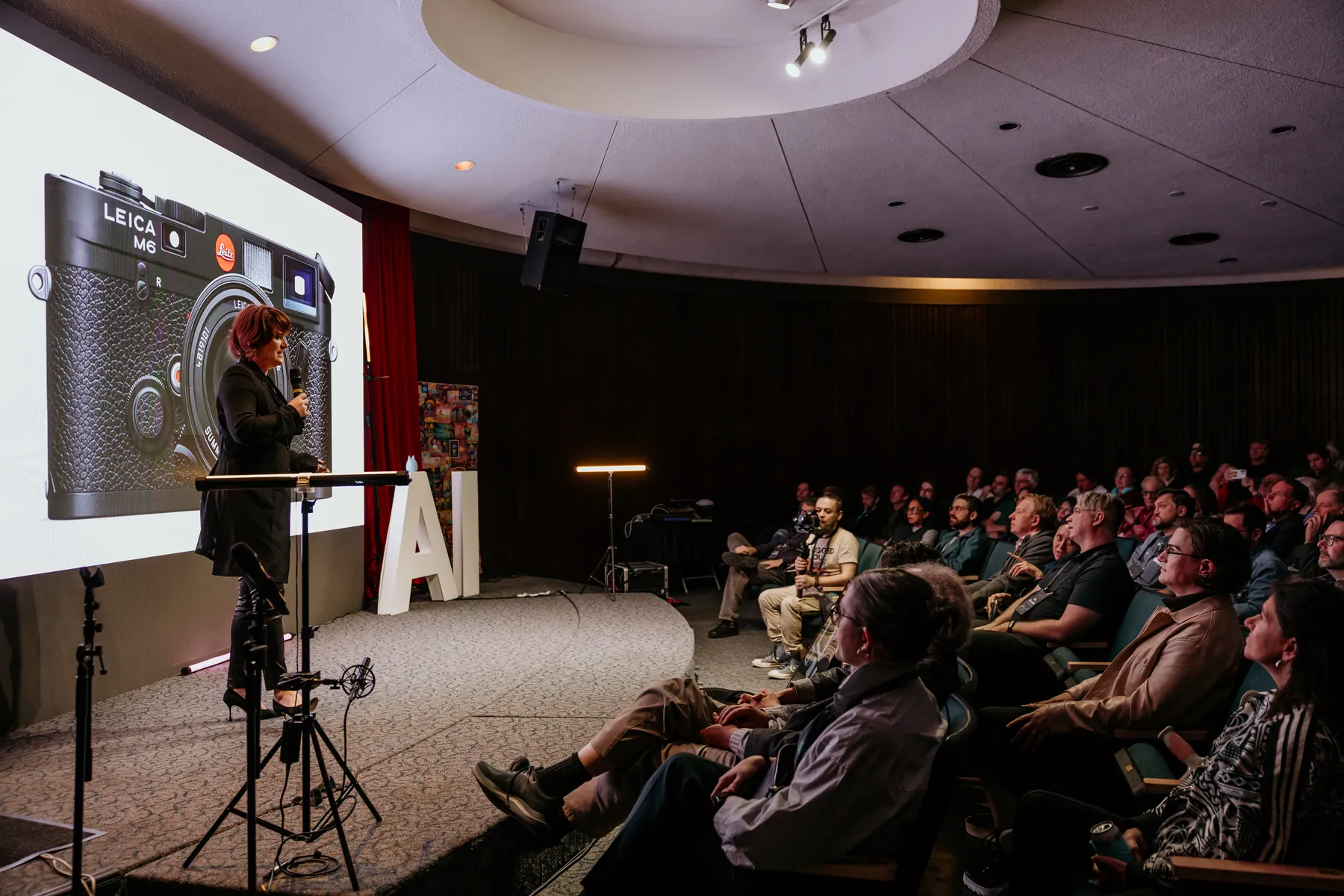
A bicycle gives you information through your hands and feet while you look at the road. Amber used it to ask what gets lost when an everyday tool needs a screen, a command or your full attention.
Read the full recap ↗01 · Touch
Let your hands do the work.
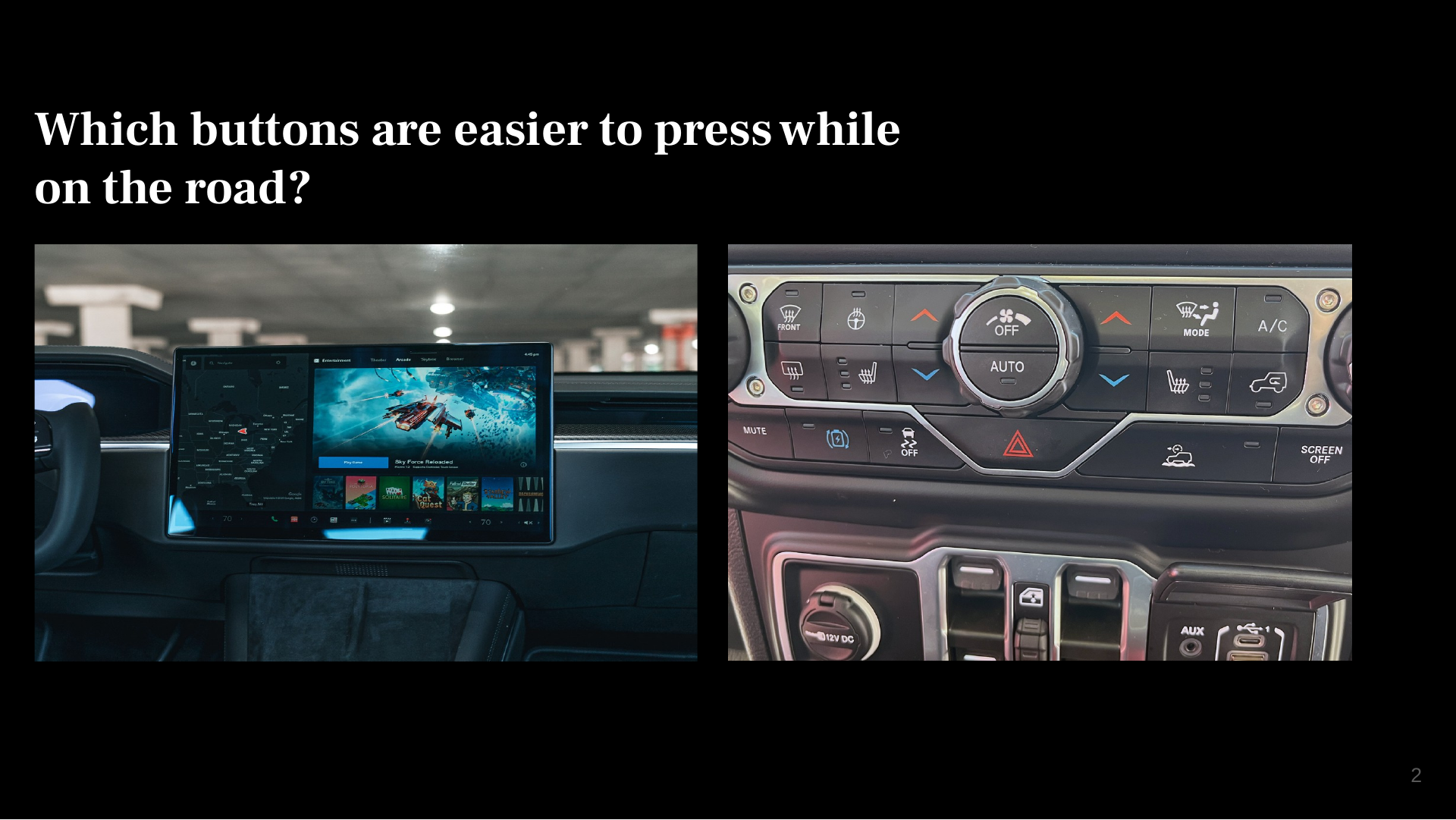
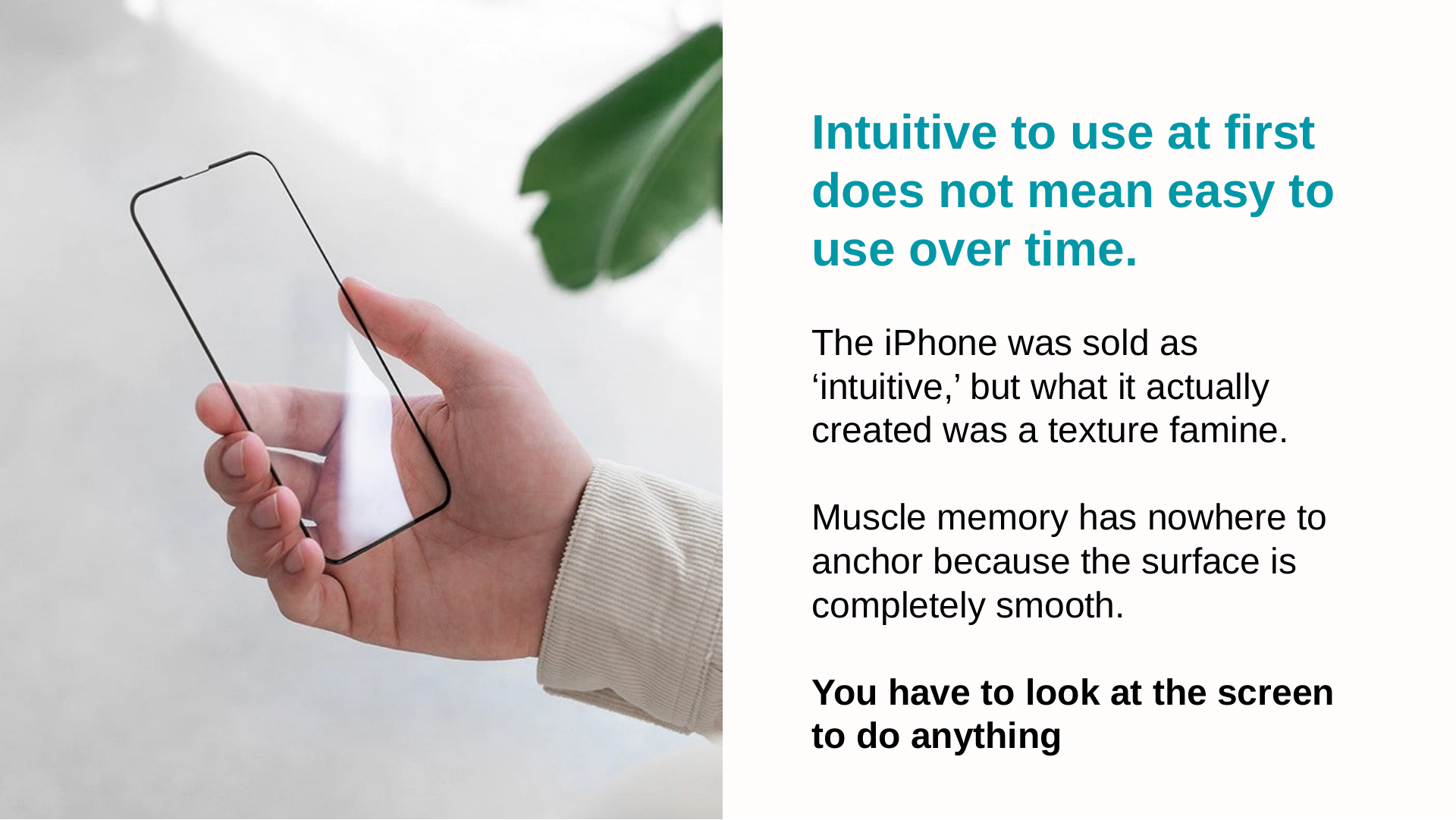
A knob has an edge, a position and resistance. You can learn it without looking. Amber’s dashboard comparison asks what happens to that knowledge when the controls move onto a smooth screen.
02 · Periphery
Put information at the edge.
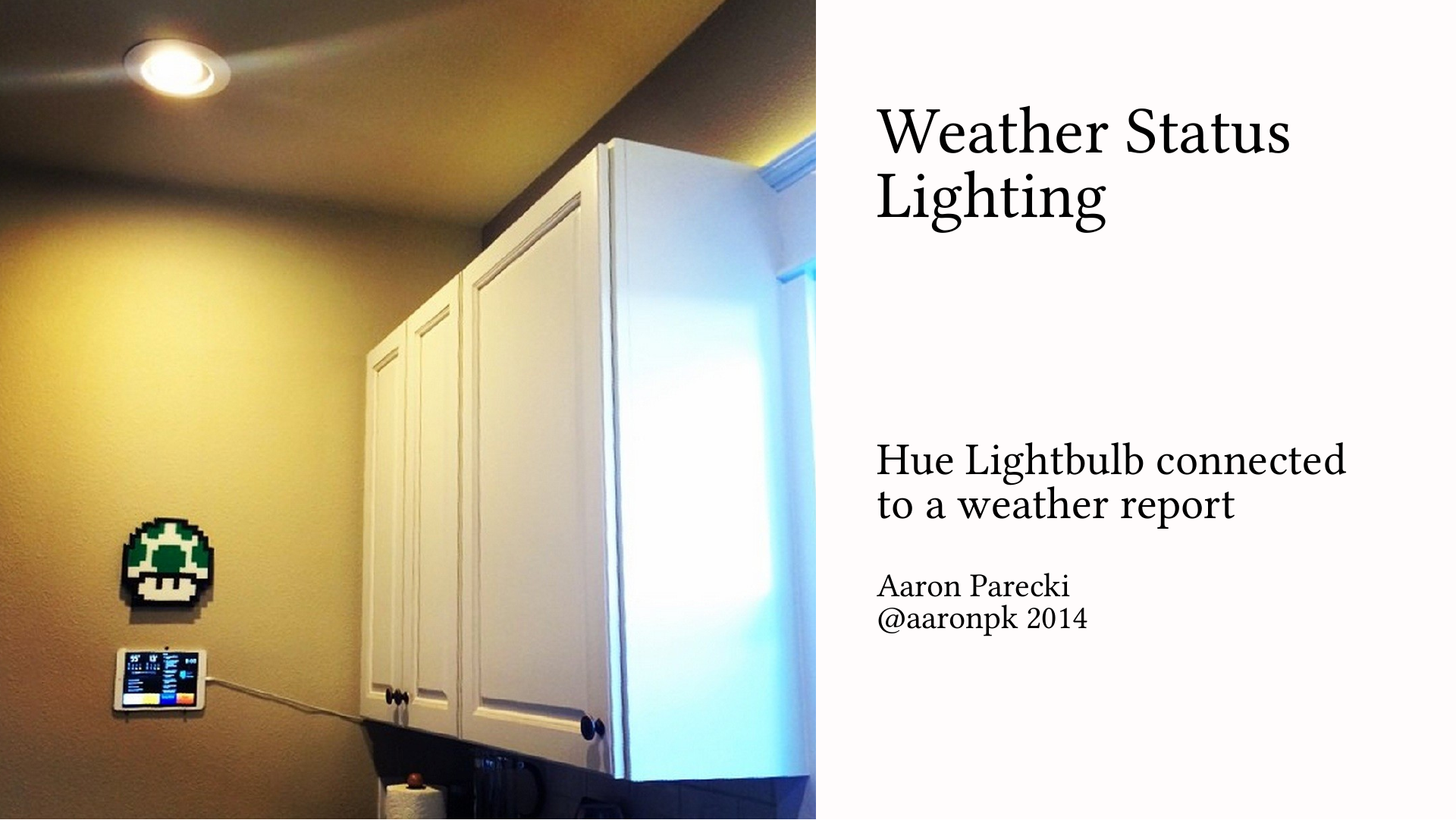
A light that changes colour with the weather tells you something about the day while you get on with what you were doing. The signal stays useful without turning into another alert.
03 · Durability
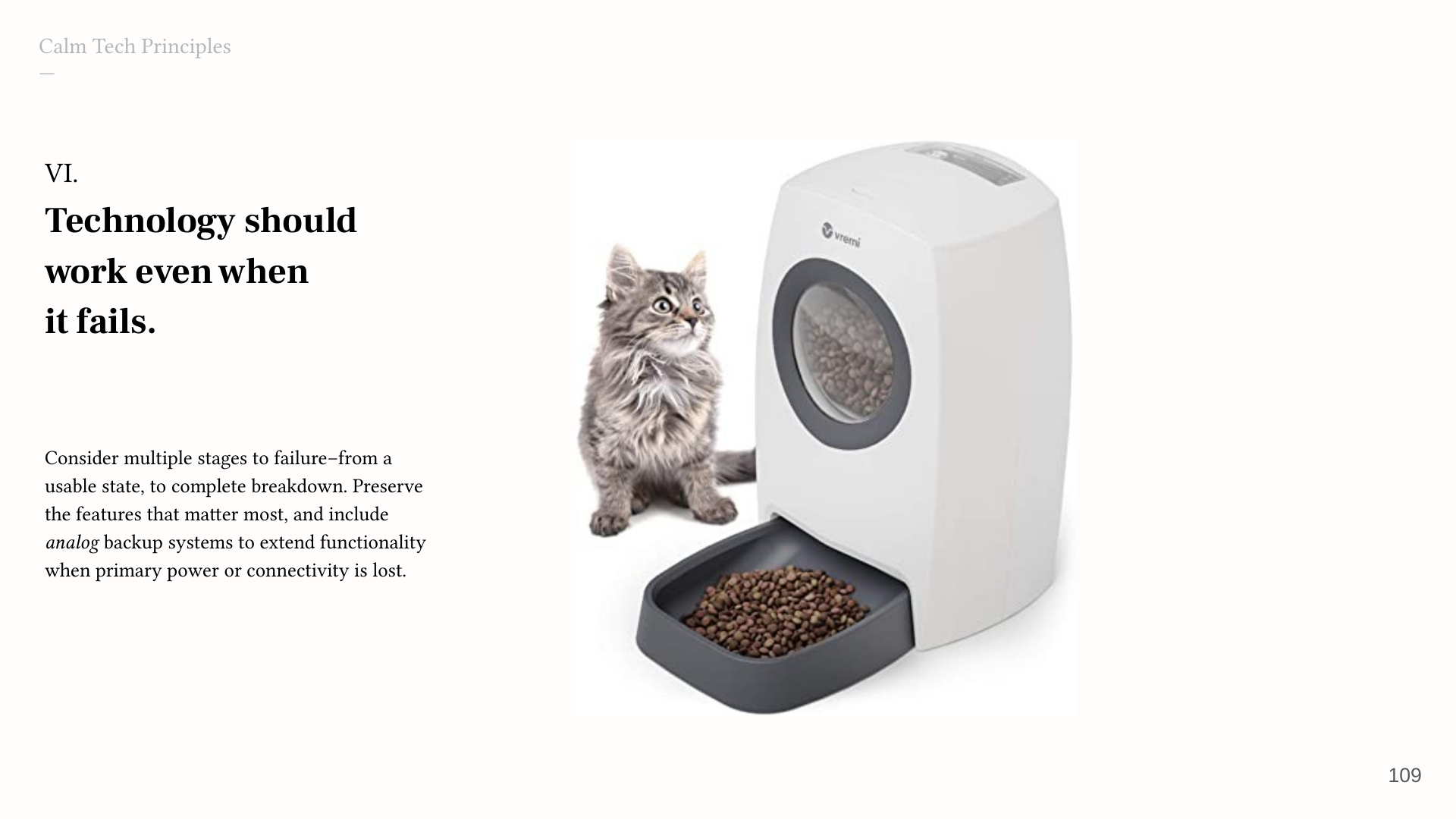
Design for the moment it fails.
When an escalator stops, you still have stairs. Amber asked designers to make the same choice for connected products. Decide what people should still be able to do when the power, network or app goes away.
More from the presentation
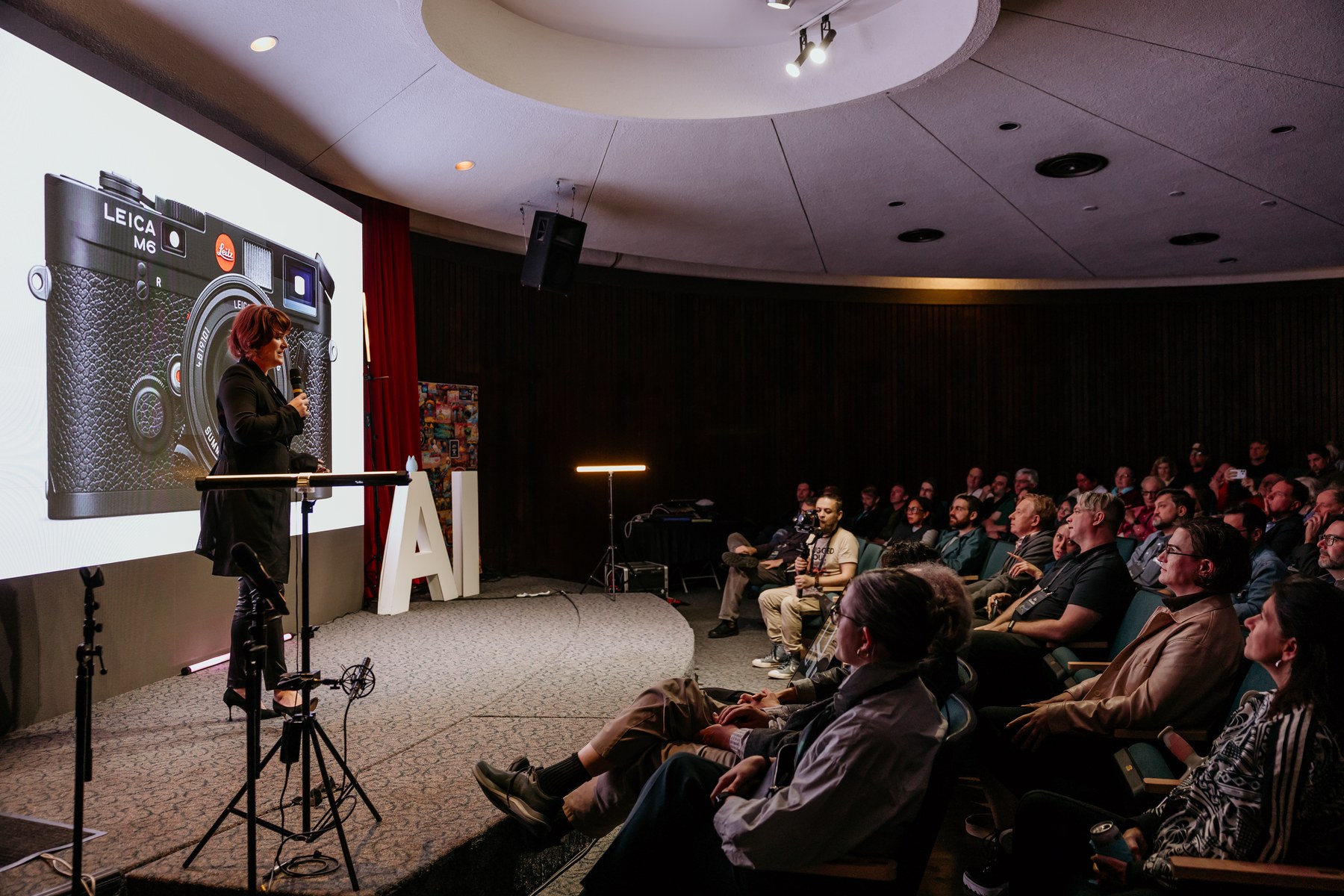
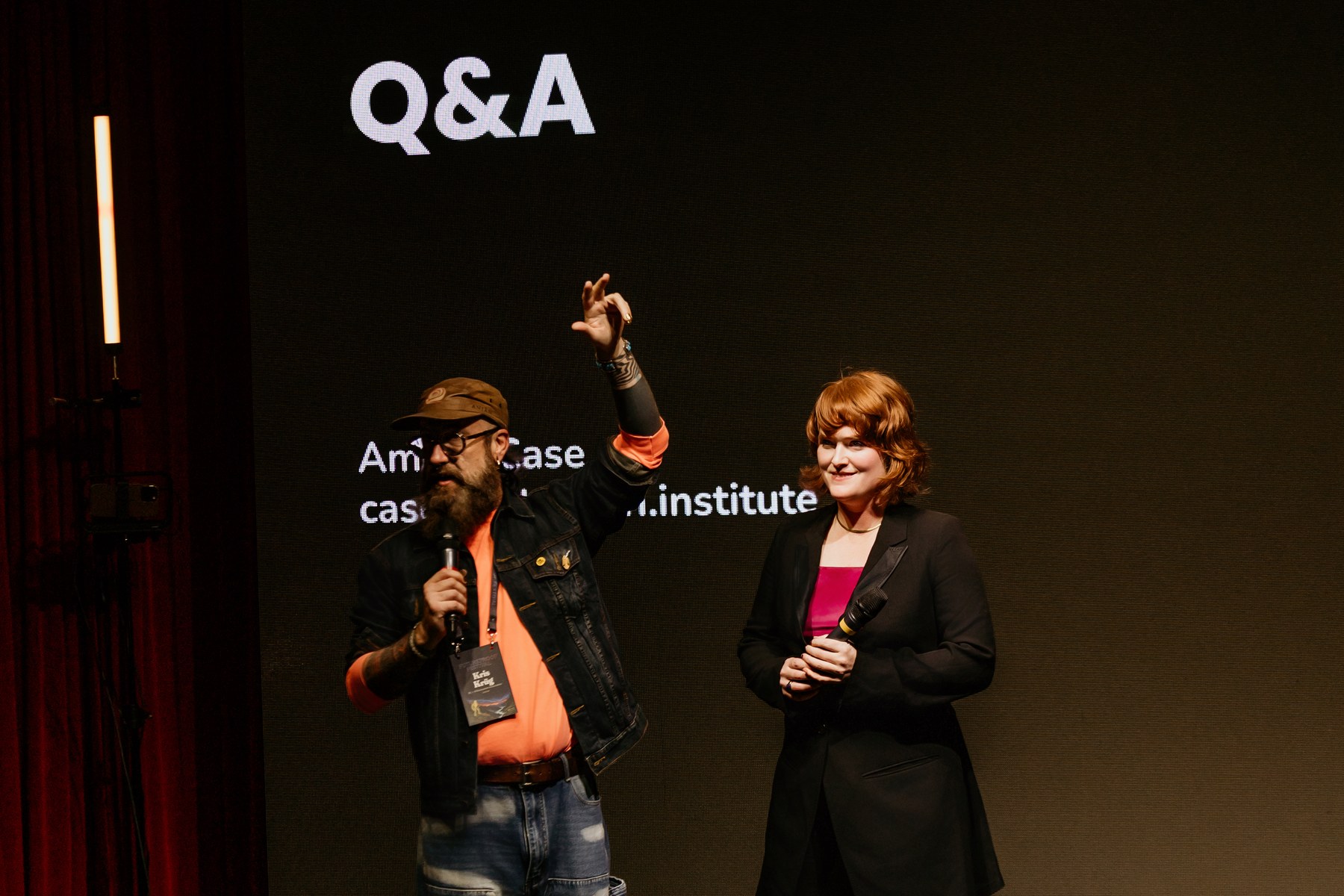
Amber at Futureproof 2026
In their own words.
- Calm Technology in the Age of Loud Machines ↗
Amber Case · LinkedIn
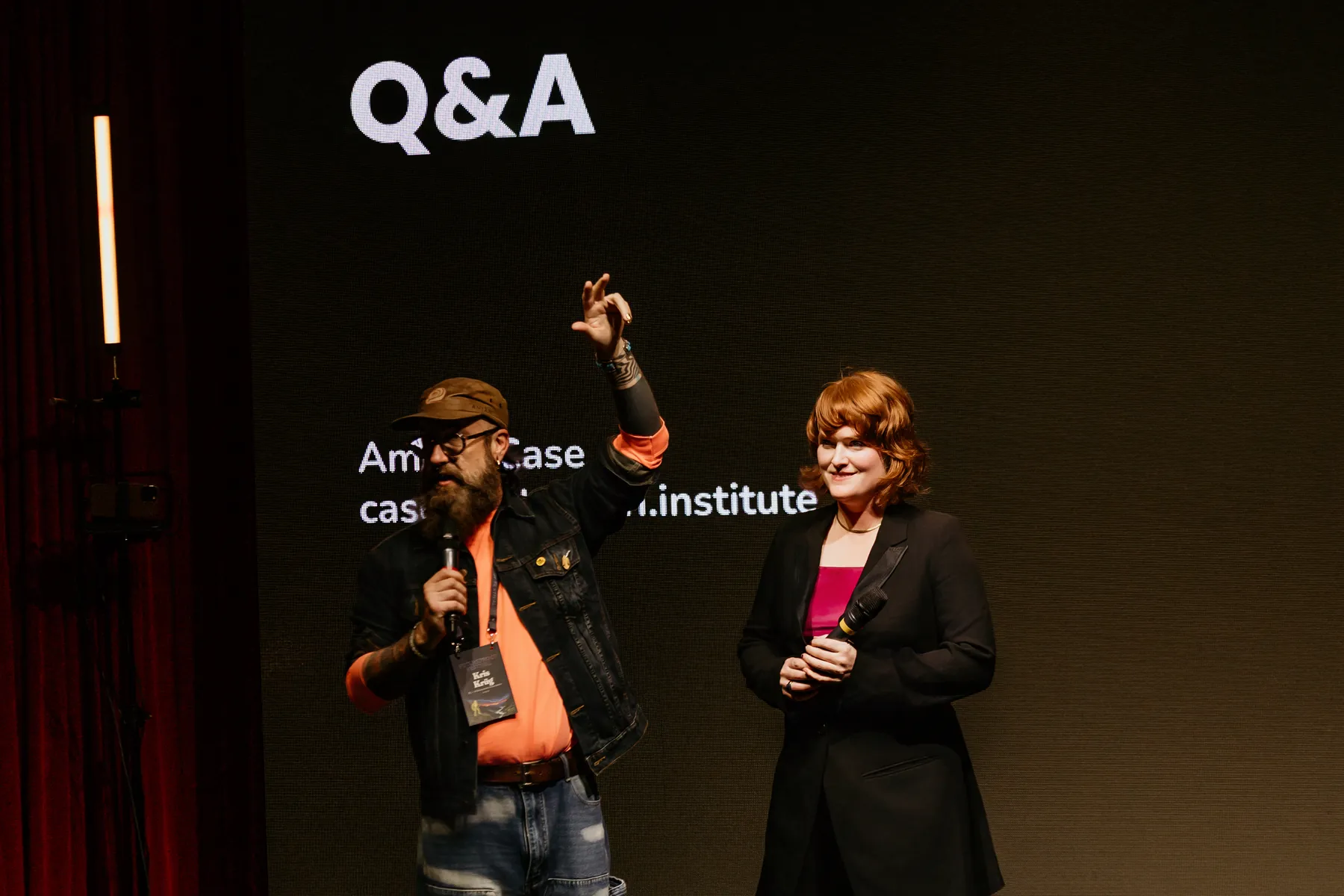
Amber introduces her opening-night talk and asks what it means to design technology with the brain in mind as well as the eyes and hands.
Festival photo album 4
Michelle Diamond / Diamond’s Edge Photography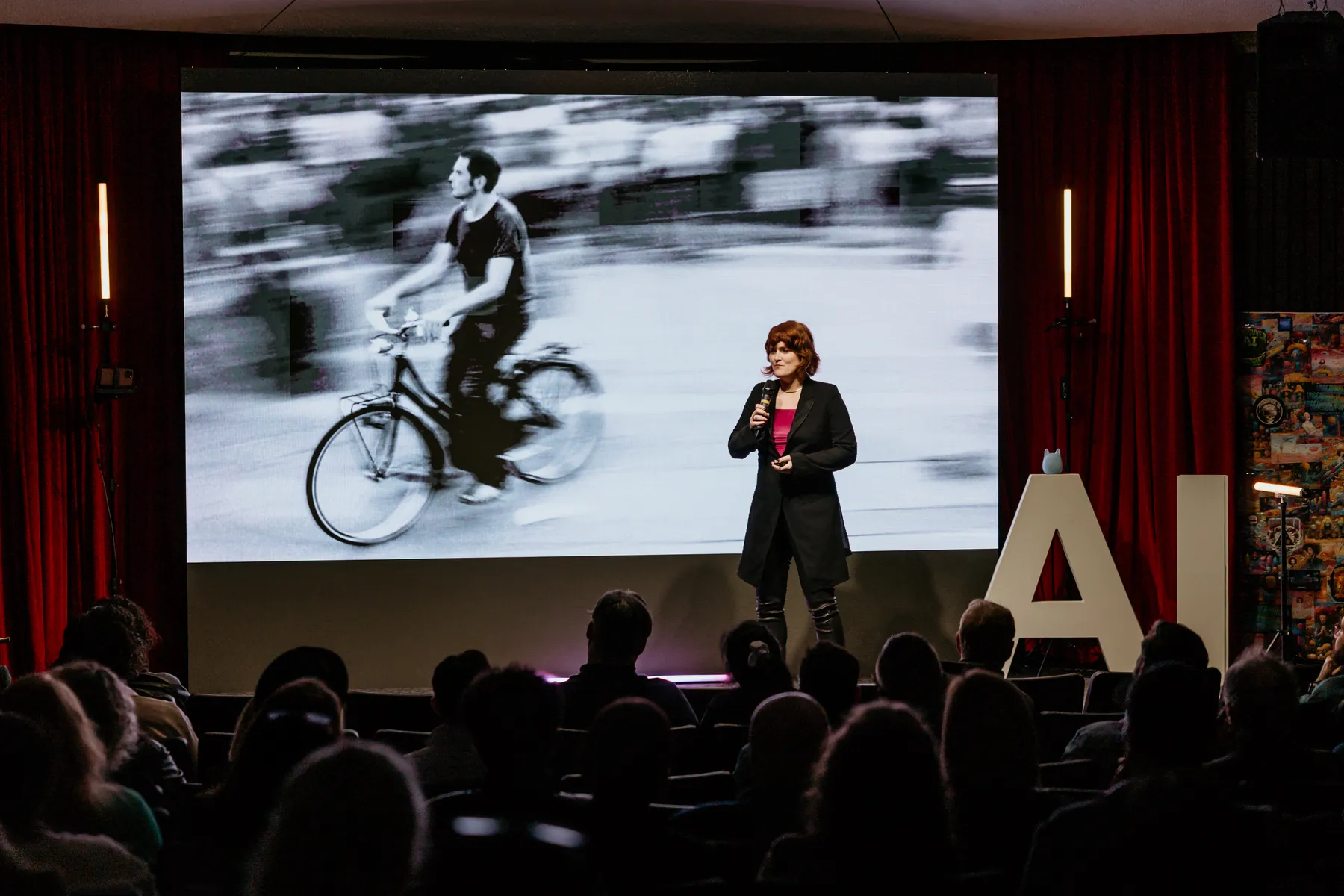
About Amber Case
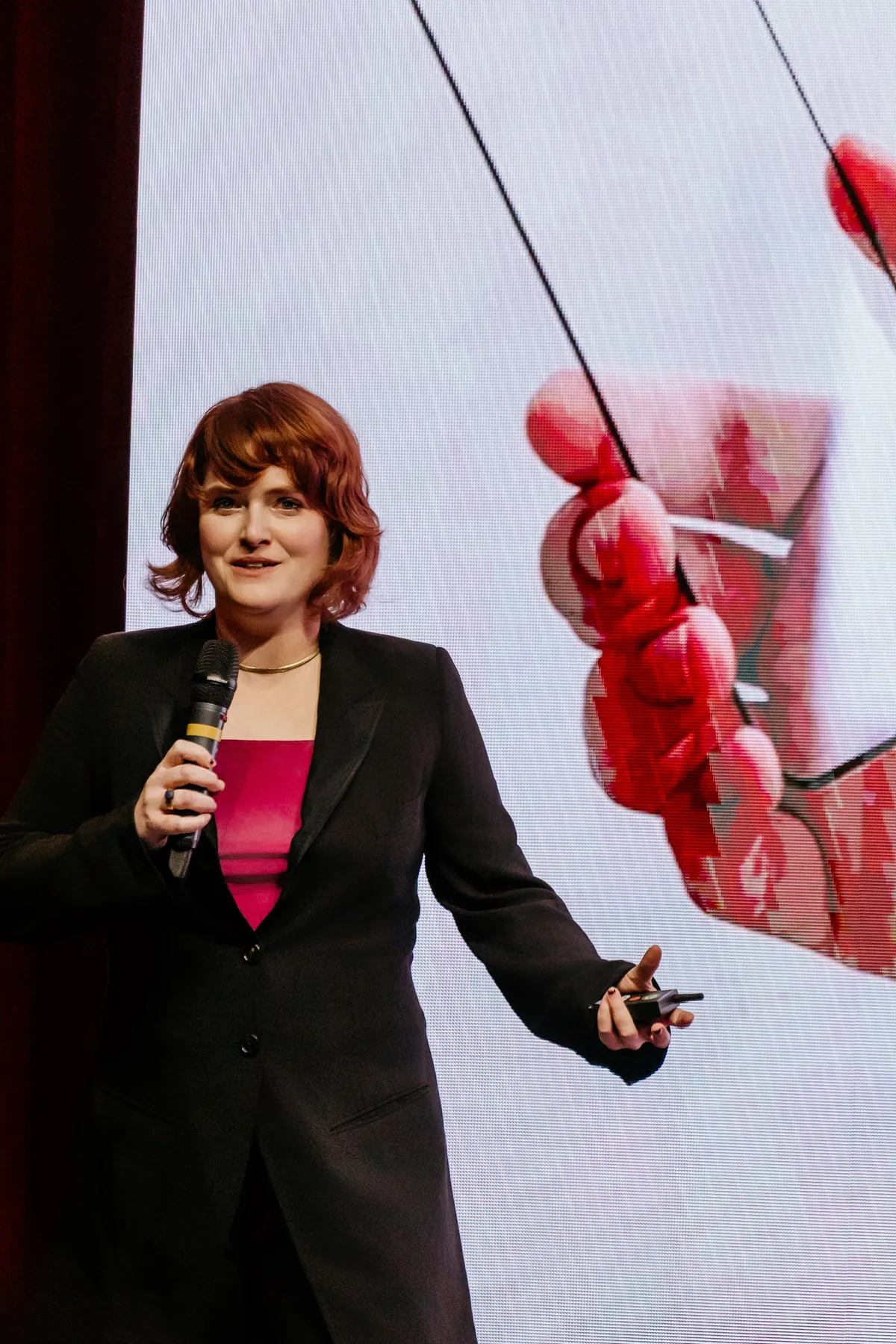
Amber Case is the founder of the Calm Tech Institute and author of Calm Technology, whose work gives builders and institutions practical language for designing technology that respects attention, agency, and everyday life. She found the idea in 2007, in old Xerox PARC papers, while writing a thesis on the iPhone. Her institute offers the world's first certification for attention-based design, an 81-point review of how a product treats your focus, and it covers AI products too. She has written four books, including A Kids Book About Technology, and her 2010 TED talk, We Are All Cyborgs Now, has more than two million views. She spent two years as a fellow at MIT's Center for Civic Media and Harvard's Berkman Klein Center for Internet & Society. Before the institute she was co-founder and CEO of Geoloqi, a location software company acquired by Esri, and National Geographic named her an Emerging Explorer in 2012.
2026 program record
- Wednesday · October 286:45–7:25 PM
H.R. MacMillan Space Centre
1100 Chestnut St, Vancouver, BC V6J 3J9
Times shown in Vancouver time. See the full program
Start here
Explore
Calm Technology
The 2015 O'Reilly book behind the whole idea. Principle one: tech should need the smallest possible amount of your attention.
Watch
We Are All Cyborgs Now
Her 2010 TEDWomen talk on the phone as a second self, one that needs maintenance and emotional energy. Over two million views.
Explore
Calm Tech Certified
The institute's 81-point review of how a product treats your attention. AI is on the list of what it certifies.
Explore more speakers
All 38 speaker profiles →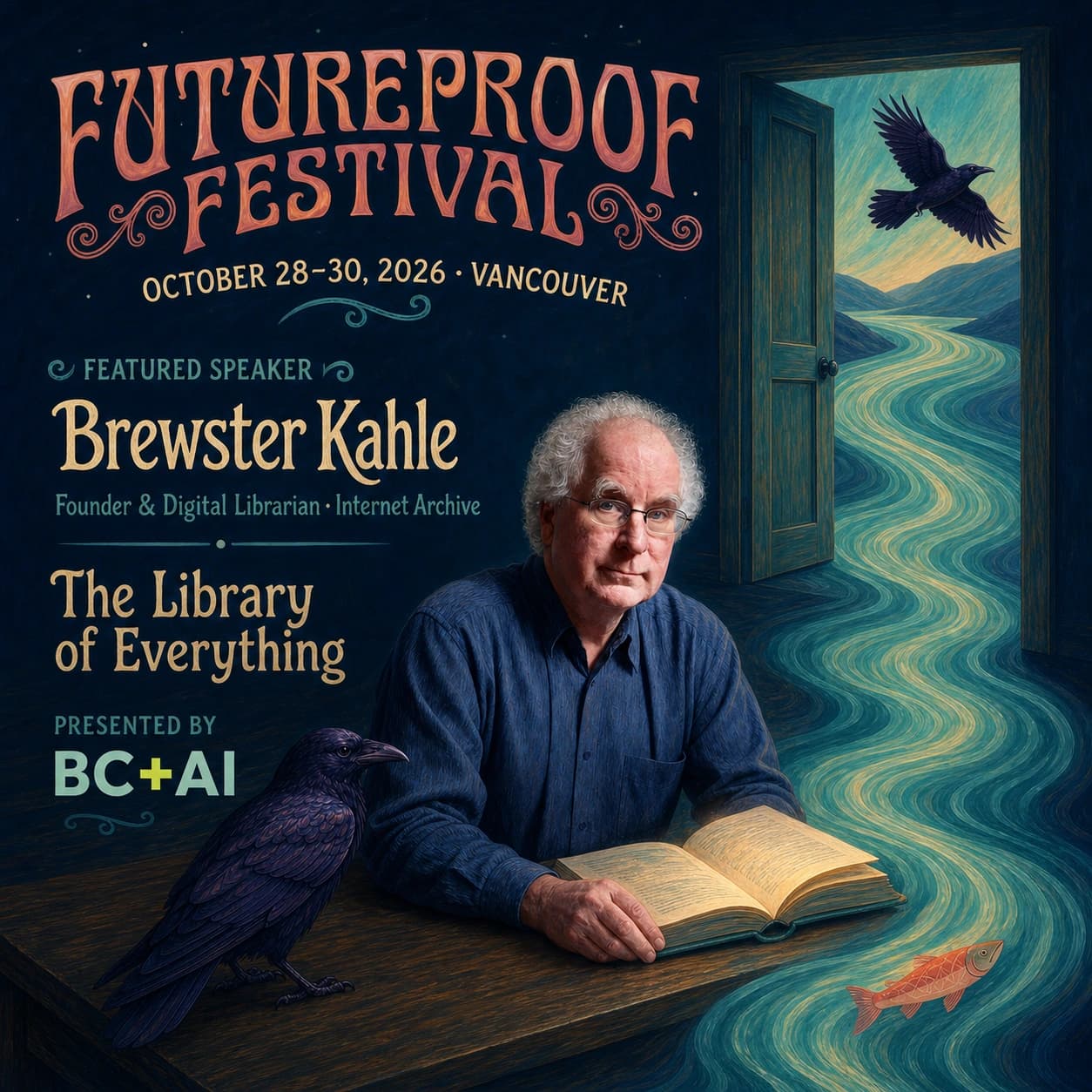 Brewster KahleWed 287:50–8:35 PM
Also explores Ethics
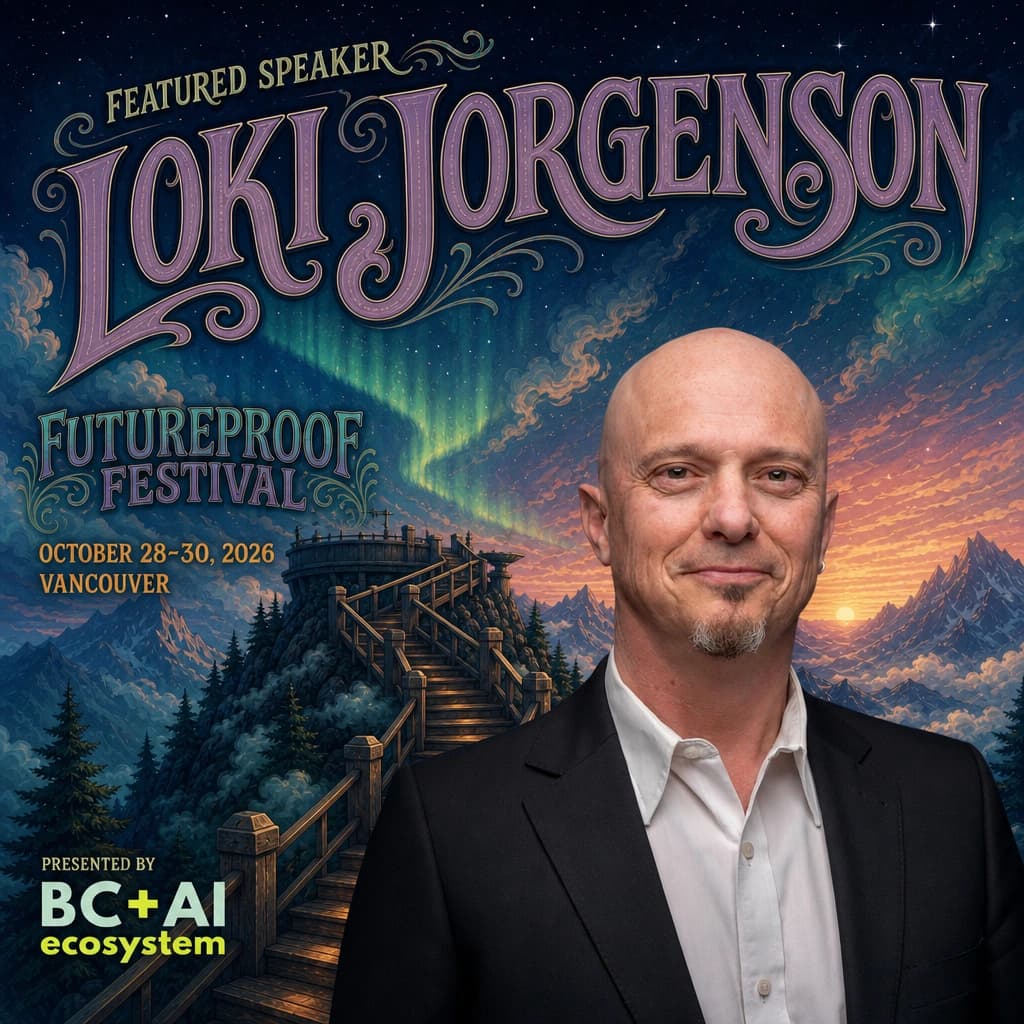 Loki JorgensonThu 299:20–9:40 AM
Also explores Ethics
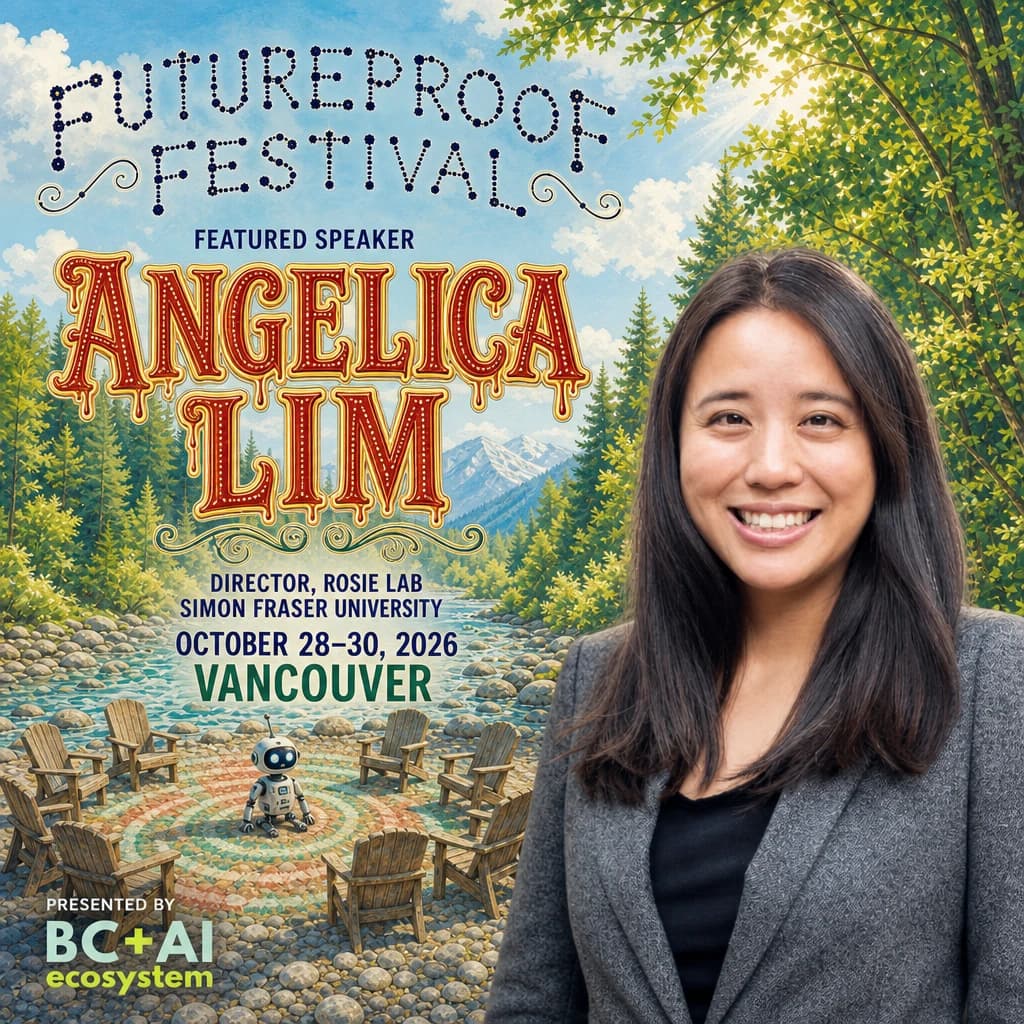 Dr. Angelica LimThu 299:40–10:00 AM
Also explores Ethics
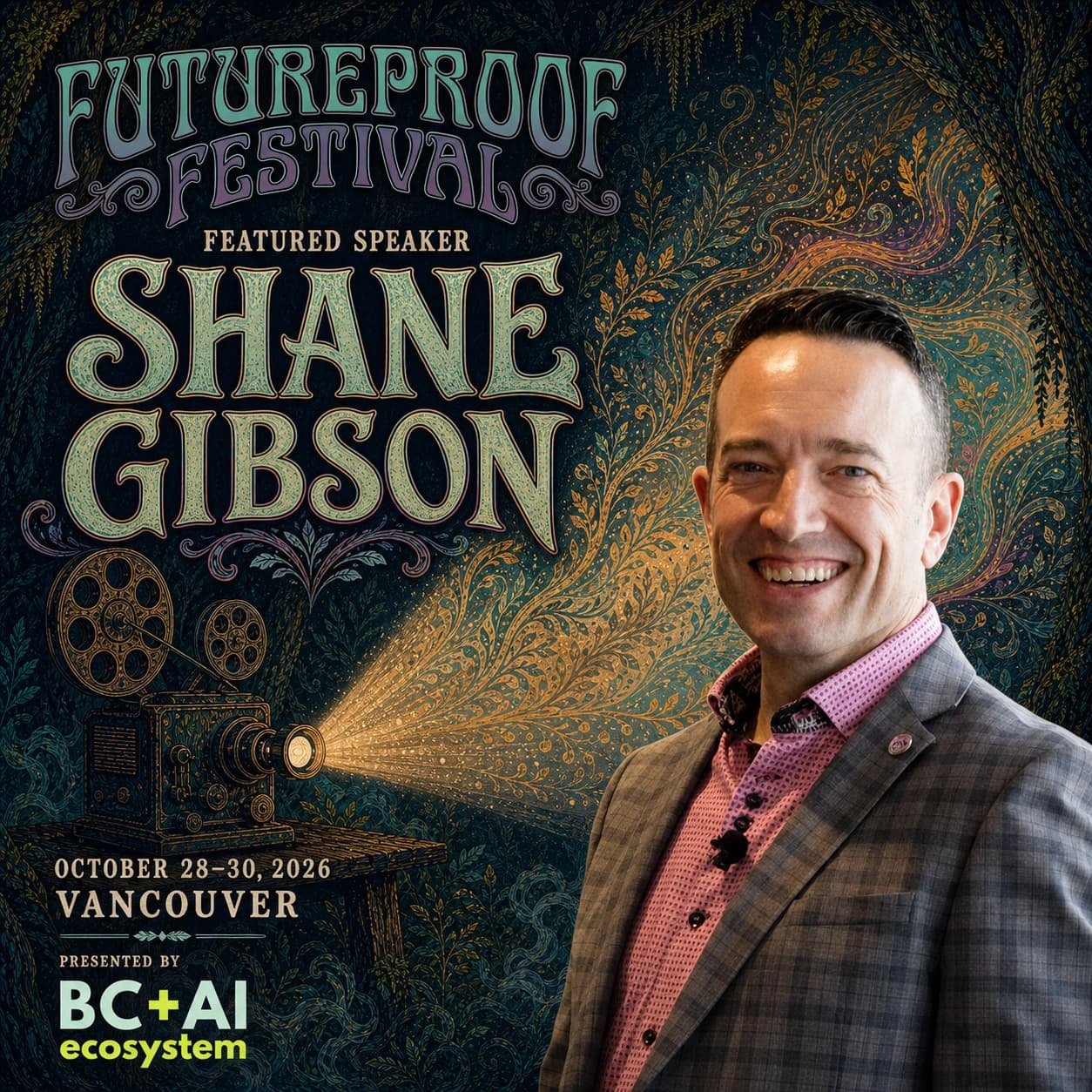 Shane GibsonThu 2910:10–10:30 AM
Also explores Ethics
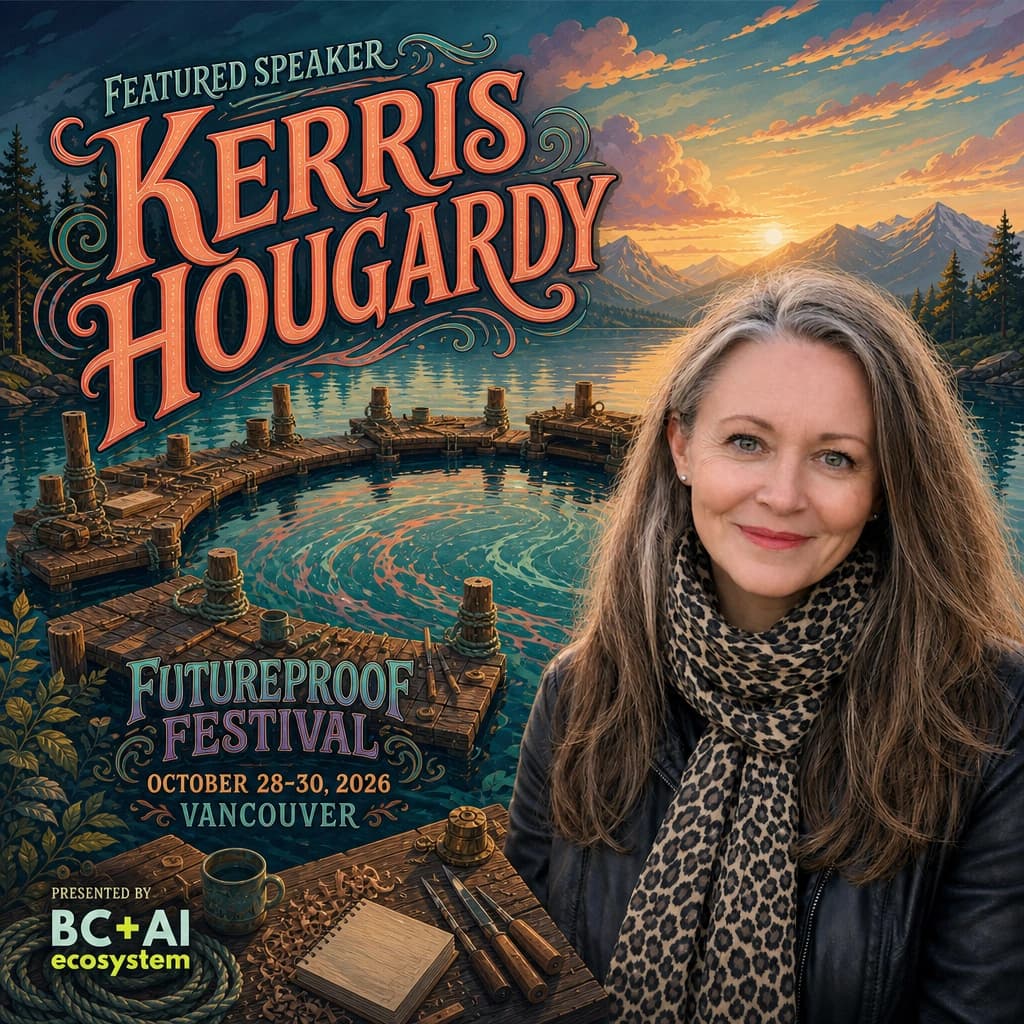 Kerris HougardyThu 2910:30–10:50 AM
Also explores Ethics
 Jos Duncan-AséThu 2911:20–11:40 AM
Also explores Education
Saved speakers (0)
Saved in this browser. Your list does not register you for the festival.
Save a speaker to find their profile here.