Futureproof Festival / 2026
Mayumi Rollings: teach the choice, then let people make it
The conversations worth coming back to.
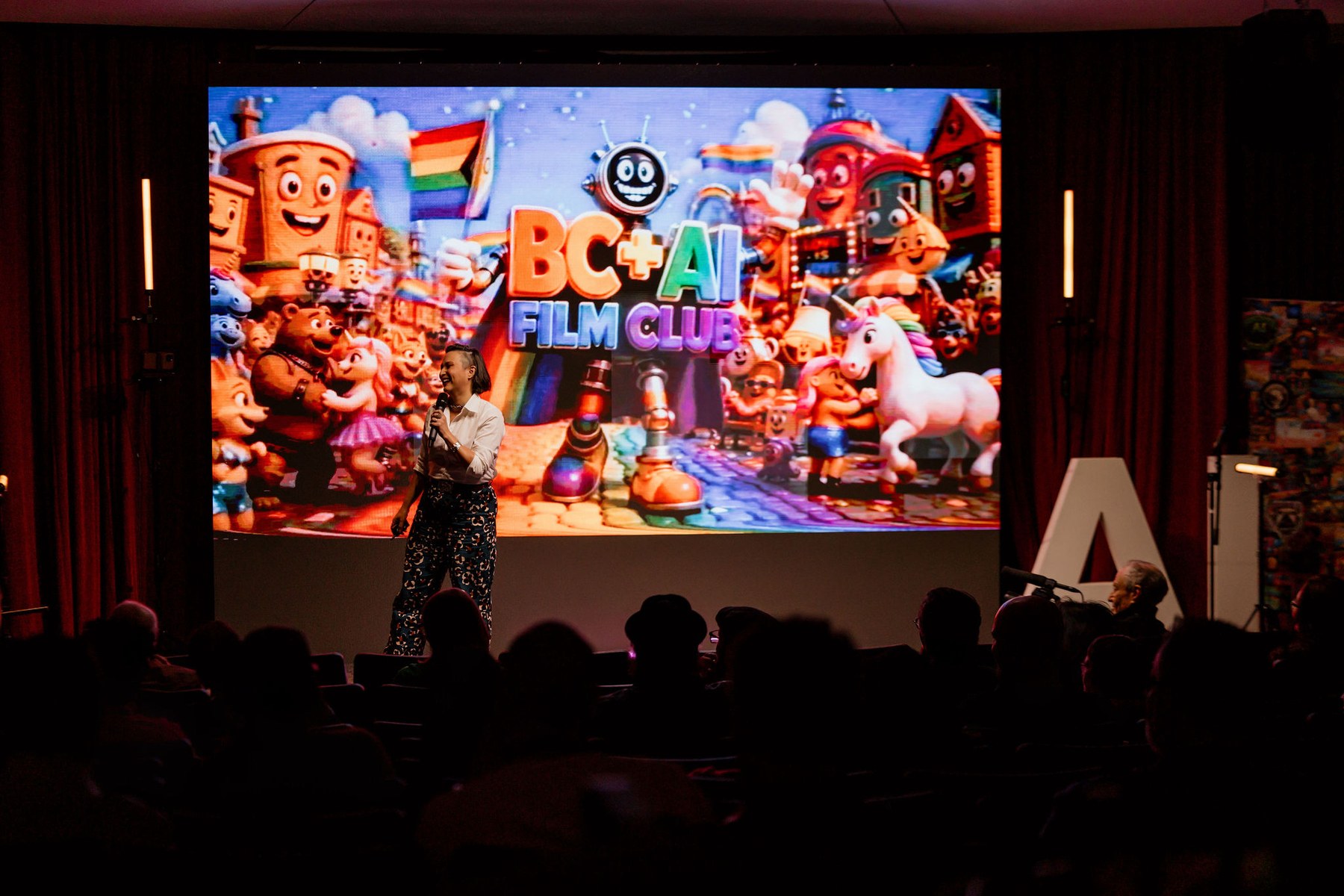
Mayumi Rollings's film-and-conversation presentation at Futureproof Festival of AI, October 30, 2026.
The starting assignment was a toilet-paper commercial.
That is a wonderfully undignified place to begin a serious conversation about art.
In her October 30 session at Futureproof Festival of AI, at Vancouver's H.R. MacMillan Space Centre, Mayumi Rollings brought a programme of films and talked between the screenings. People could watch something before deciding what they thought about the tools used to make it.
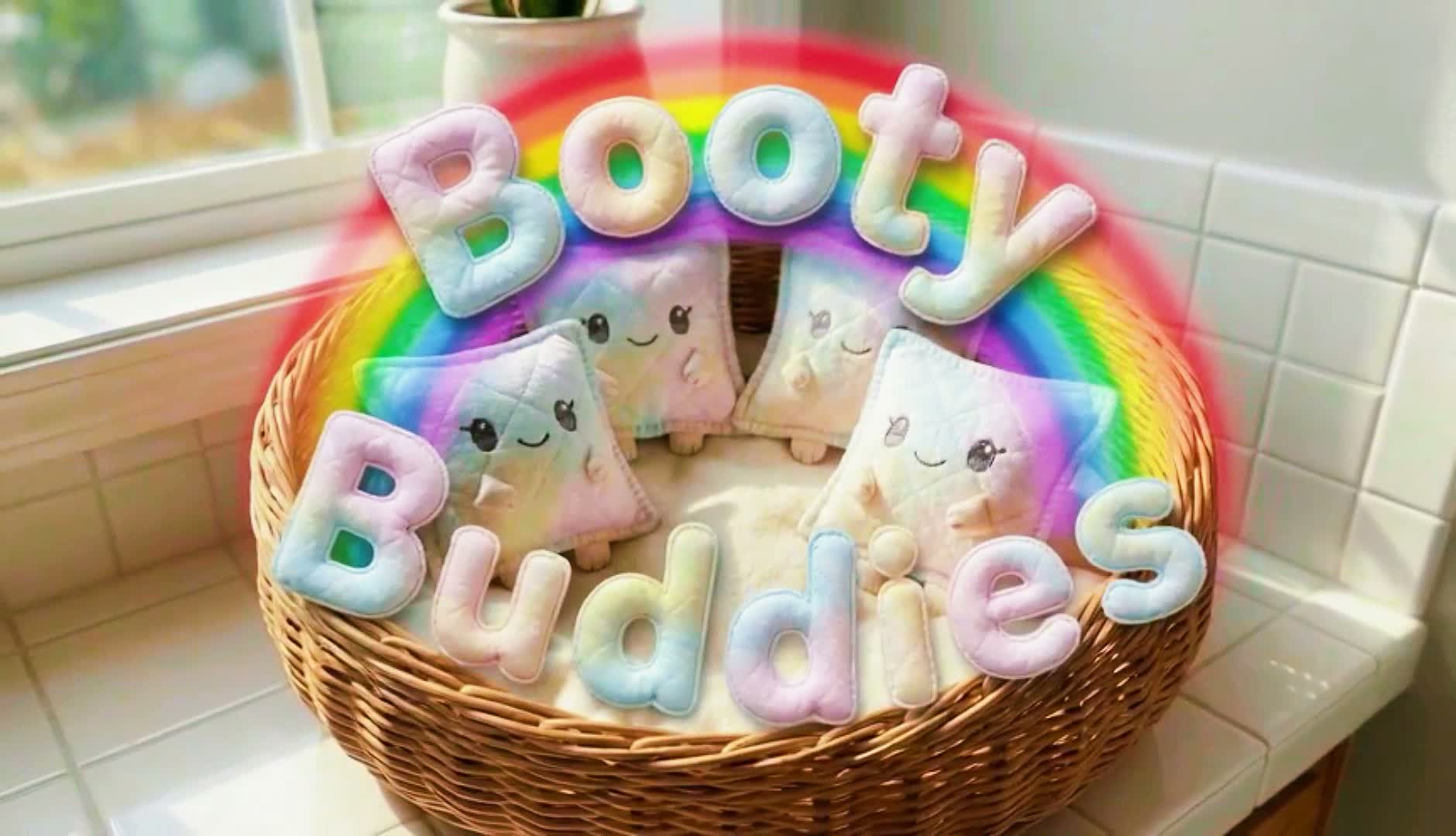
Booty Buddies, Mayumi's Toilet Paper Challenge film, at 00:02. AI animation still from the supplied screening file. Film: Mayumi Rollings.
Mayumi, co-founder of Tiny Ghost Studios, described coming to generative AI after a career in games and animation, with reservations of her own. The studio tried a different production route. Showing the work opened conversations with Kevin Friel, me and the people who would gather around Film Club.
The history matters. Her argument came from making decisions with the tools, including decisions about whether to use them at all.
A ridiculous brief can get you to the work
The BC + AI Film Club prompt challenges give people a shared starting point. A toilet-paper ad. An ASMR experiment. Something small enough to try and strange enough to make your own.
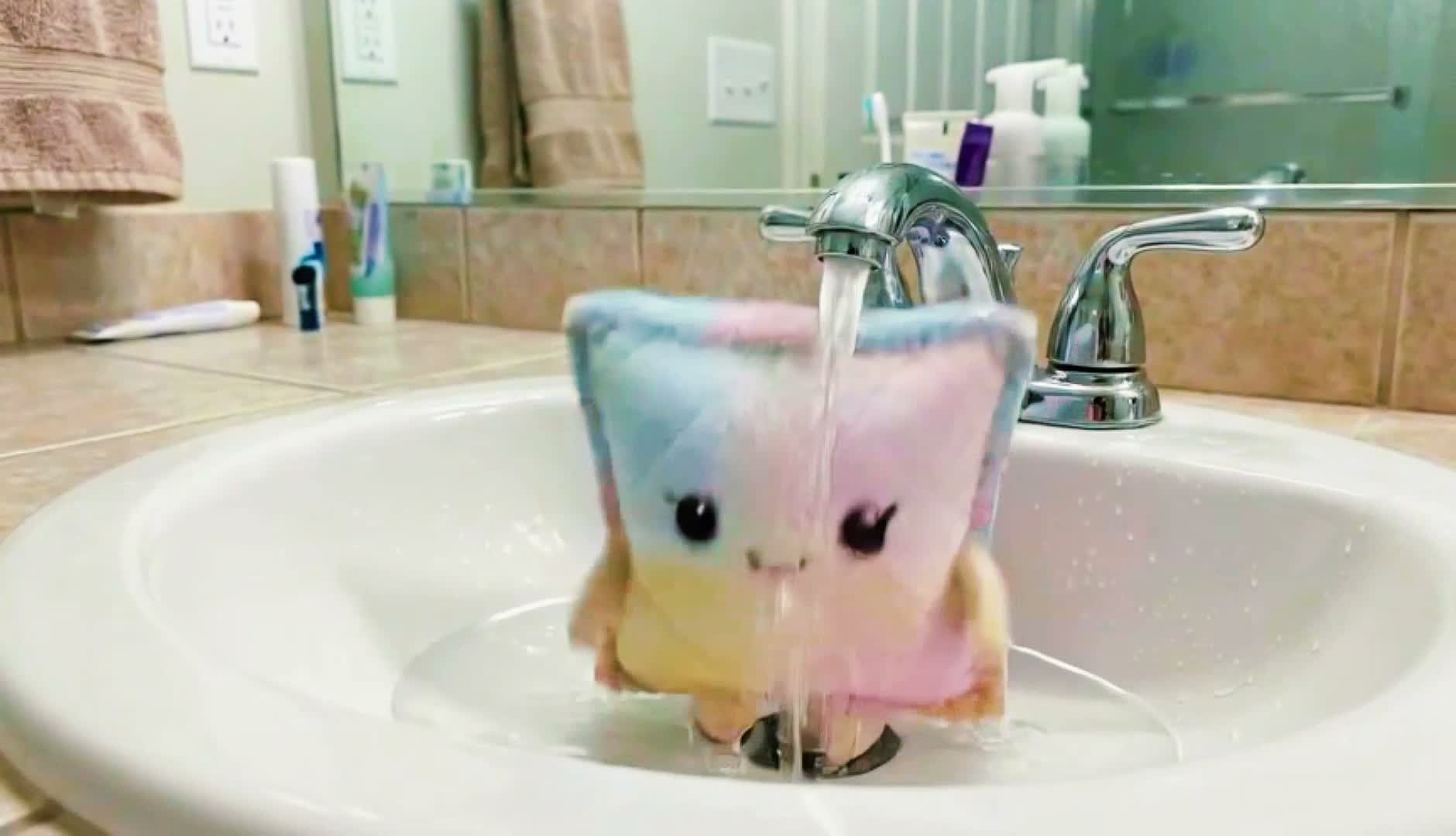
Another shot from Mayumi's Toilet Paper Challenge, at 00:17. The recurring character has to work in a different setup. AI animation still. Film: Mayumi Rollings.
Look at a recurring character across shots. The face, the material, the way it moves through a place. A film asks those decisions to hang together. You can't keep only the prettiest generation if the next shot no longer belongs to the same story.
I wrote about that production problem in The Prompt Era Is Over. Learn to Direct. The Animation Accelerator grew around giving people a way to work through it, with Tiny Ghost's production experience close enough to ask a question when the shot fell apart.
On stage, Mayumi described the teaching choice inside that work. She and her partner share tools and process while helping people develop enough understanding to choose for themselves.
That is a harder class to teach than a list of buttons. You have to let someone make a decision you wouldn't make. You have to help them understand the consequences without taking the work out of their hands.
A film needs a point of view
As the screening continued, the work moved through different tones and worlds. The shared brief hadn't produced one shared imagination.
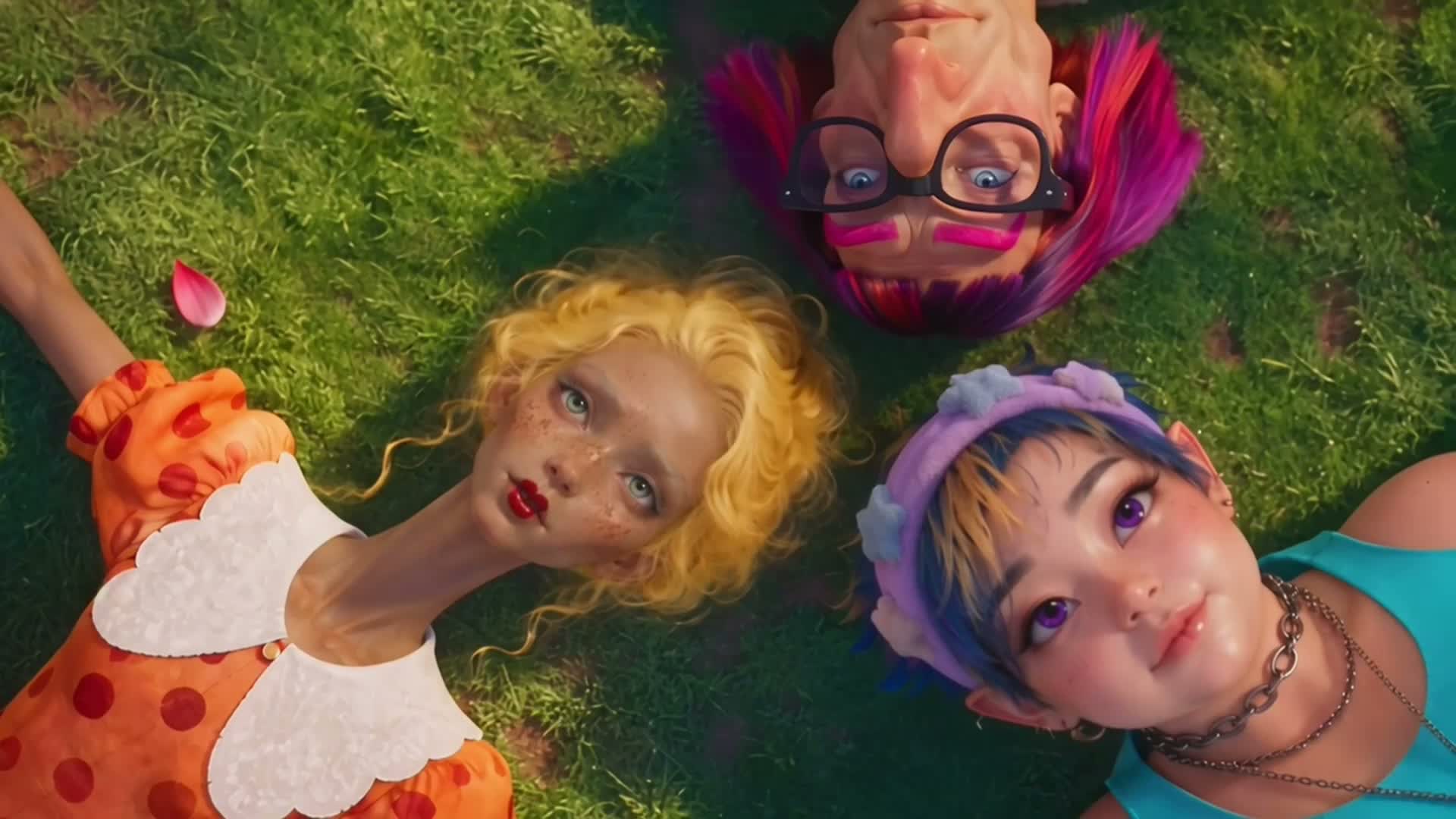
Make Art Not War, at 00:10, from the file Mayumi supplied for the festival programme. AI animation still. Film: Mayumi Rollings.
In Make Art Not War, colour has a job to do. The characters and their paint-covered machinery bring a different visual language into a harsher world. You can see the contrast in the frames before anyone starts debating whether the workflow counts as art.
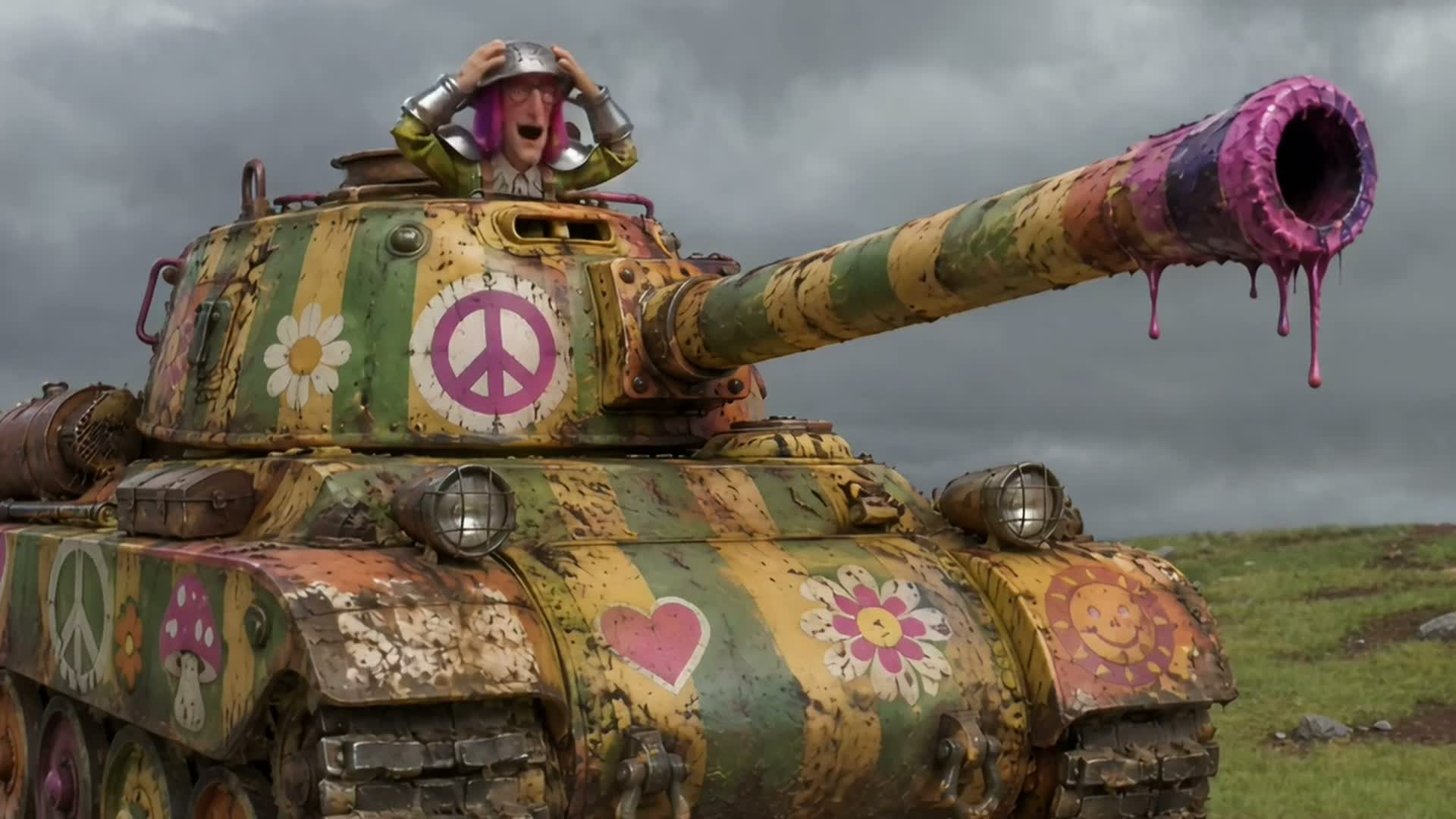
The same film at 00:40. The visual contrast carries part of the story. AI animation still. Film: Mayumi Rollings.
Mayumi picked up a point she remembered from Sara Blenkhorn about the stories we feed AI. She wanted to see what she could make by bringing more of her own experience into the work. She also recognized why someone else might choose to keep that material private. Sara Blenkhorn at Futureproof.
Those are two decisions an artist gets to make. What part of your experience belongs in the film? What part are you willing to hand to the tool?
The student showcase on the accelerator page gives readers another place to look at different makers' choices. Robin Puga's Lil' Bites is one of the works in that wider learning community. It is his film, not a Tiny Ghost production to fold into somebody else's credit.
Under what circumstances?
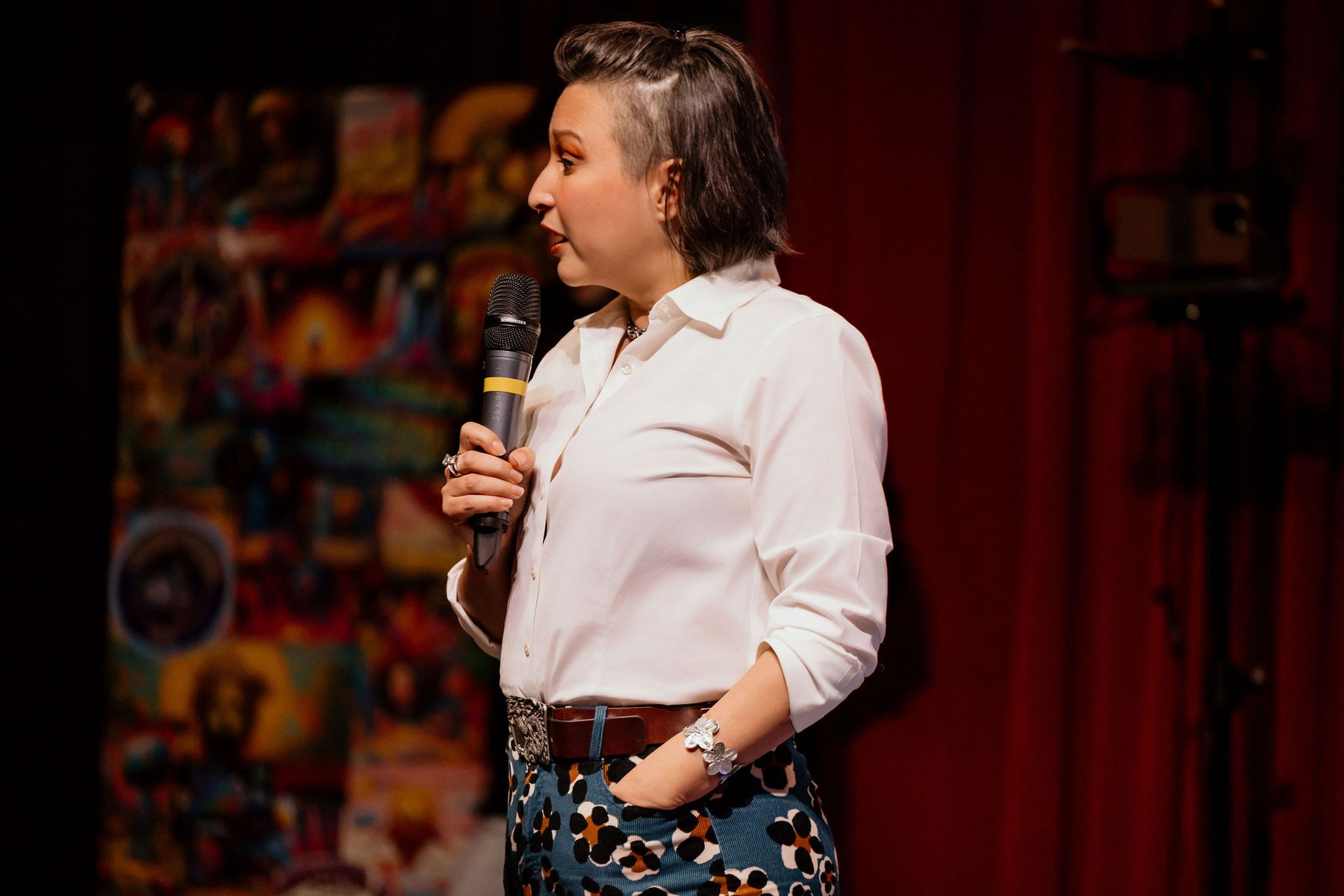
The discussion around the screenings. October 30, 2026.
The Q&A didn't let the conversation stay comfortable. An artist asked how to talk to peers who experience these tools as a threat to art. Mayumi offered a question: under what circumstances?
Under what circumstances would the tool fit the work you want to do? What would make it unacceptable? Which decision are you trying to make, with the time and money you actually have?
That question has room for refusal. Mayumi recognized that people can decide against using the tools. Curiosity does not create an obligation to buy a subscription or surrender an objection.
The economic pressure deserves to stay visible too. A choice made with rent looming over it still has rent looming over it. A workshop can't settle what an industry owes the people who trained for a career in it.
It can give someone enough understanding to examine the options in front of them. It can help them name the craft they already have, and the part they still need to learn.
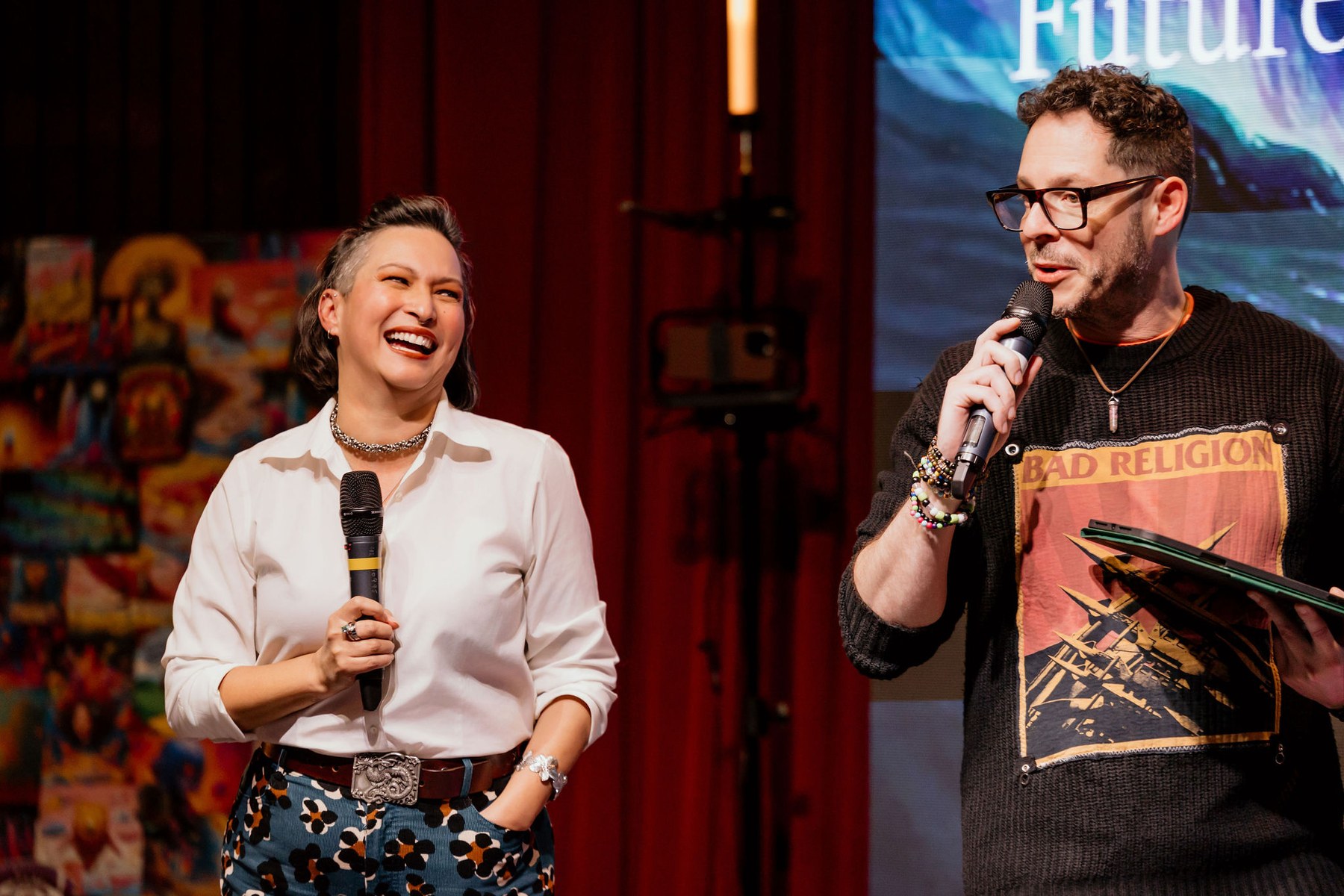
The conversation continues after the films. October 30, 2026.
That combination of showing work and leaving the argument open belongs in my account of Futureproof's first year. The films give us something to discuss. The discussion helps us decide what we want to make next, and what conditions we are willing to make it under.
Bring one small story to the table. Decide what it needs before choosing the tool. Afterward, be able to explain which decisions were yours.